Naatya Manjari: A Golden Jubilee Celebration of Art, Tradition, and Heart
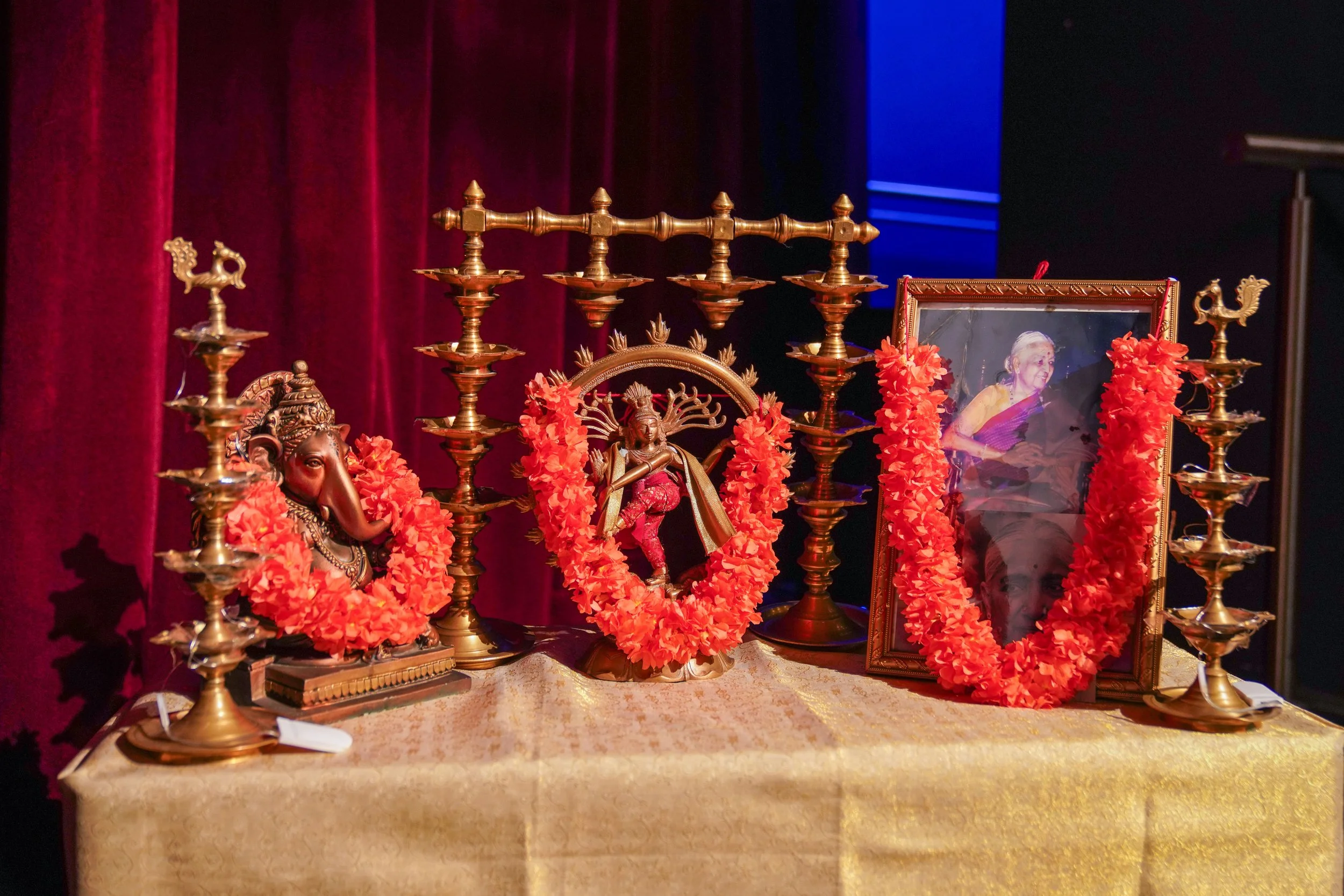
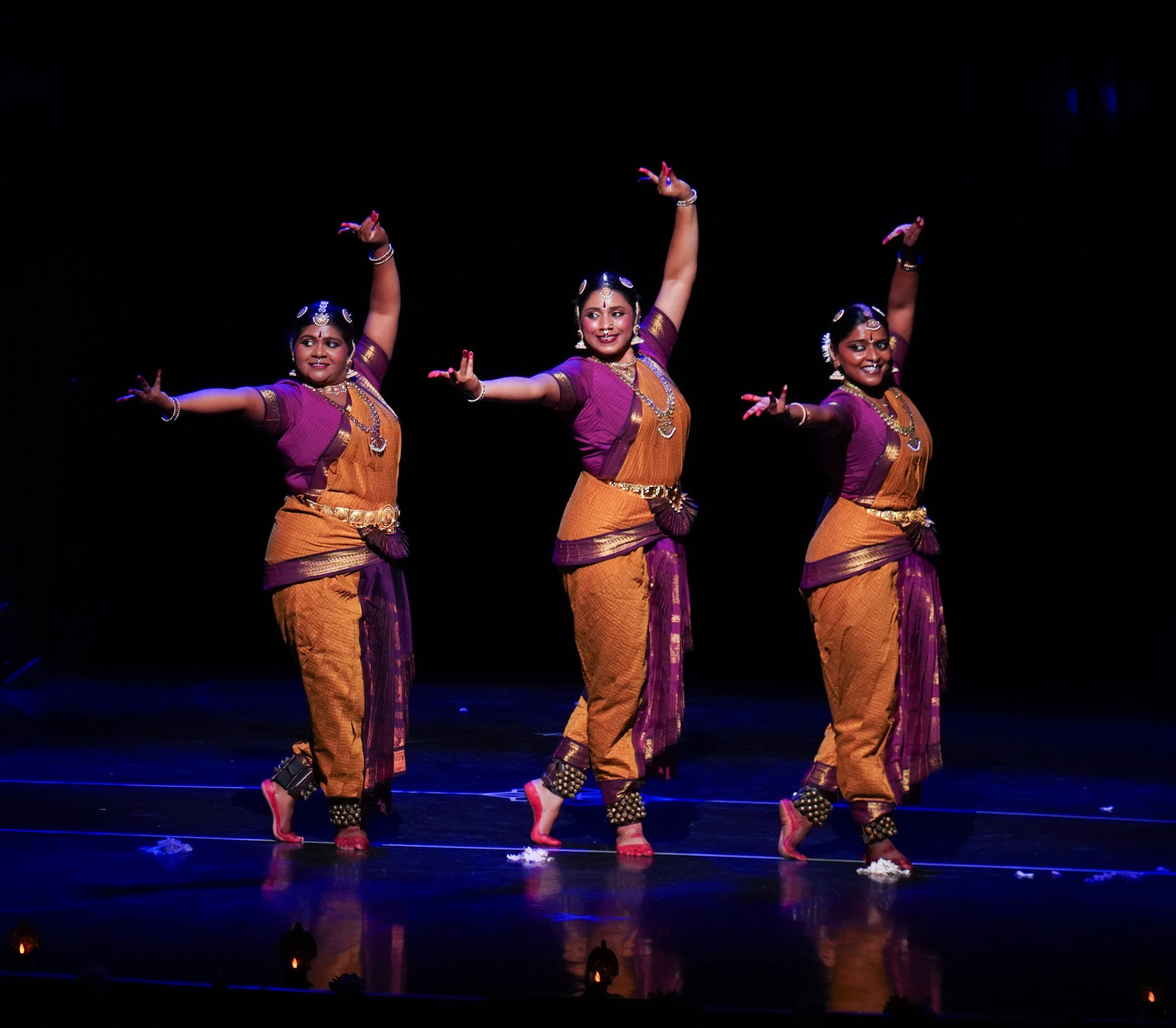
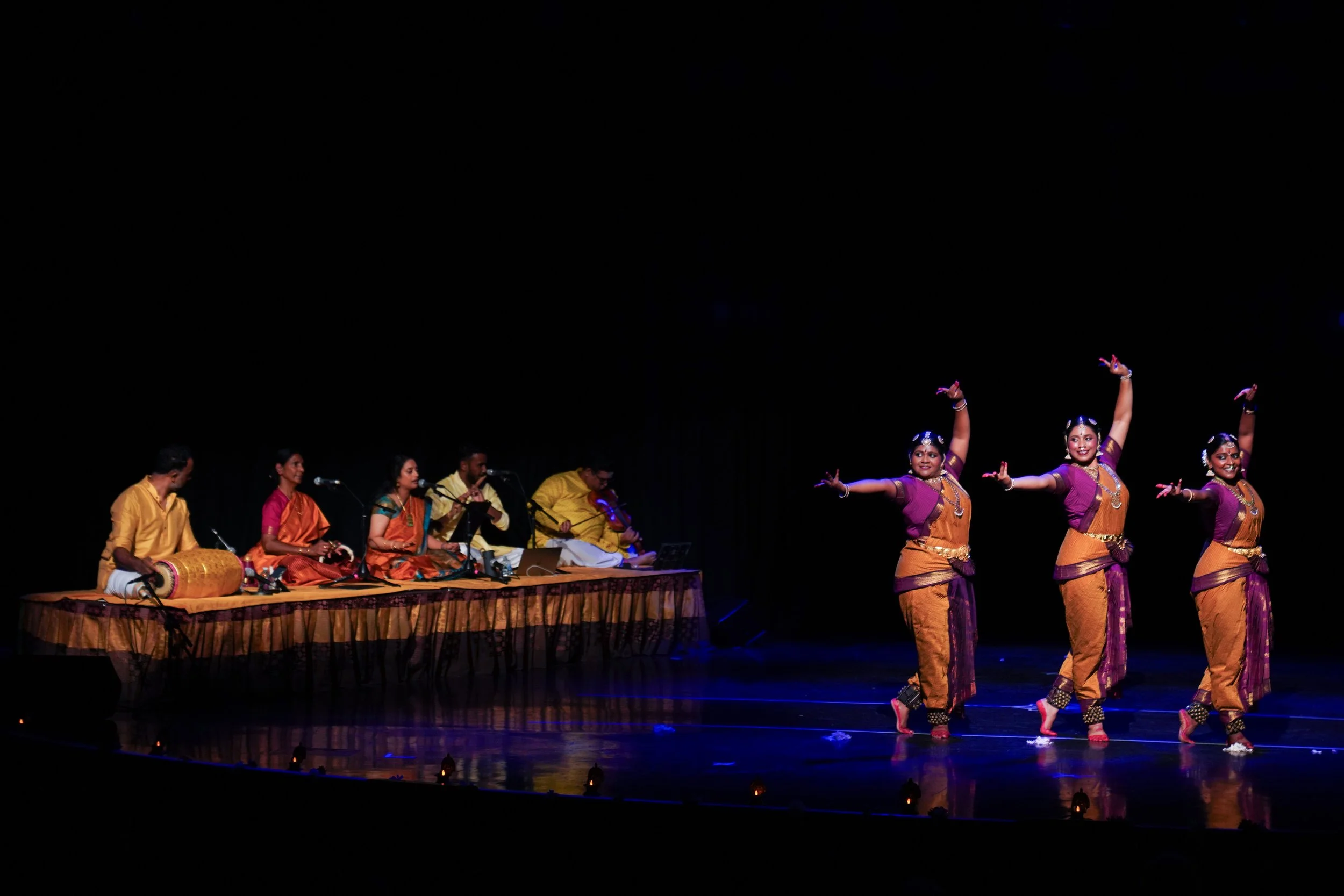
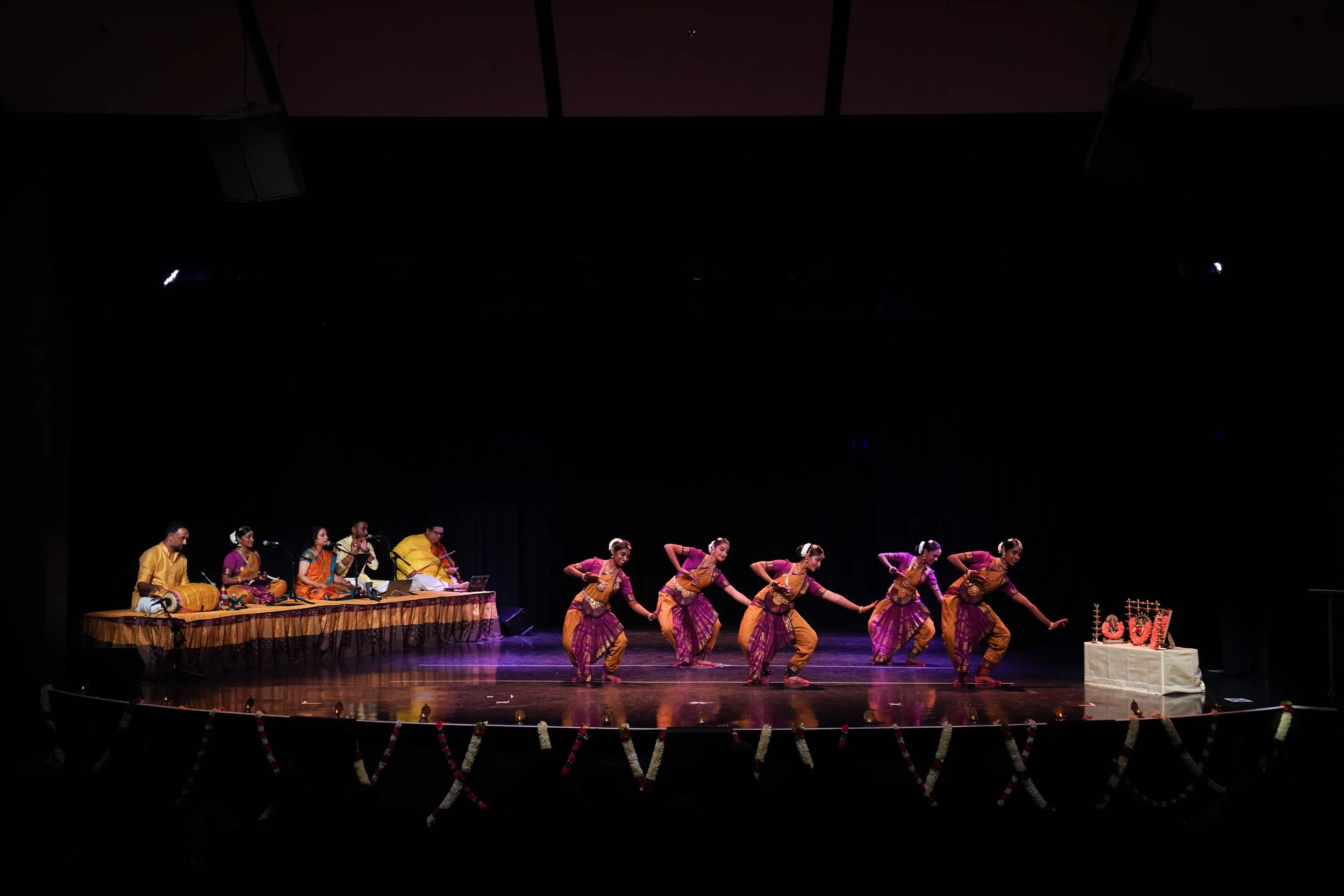
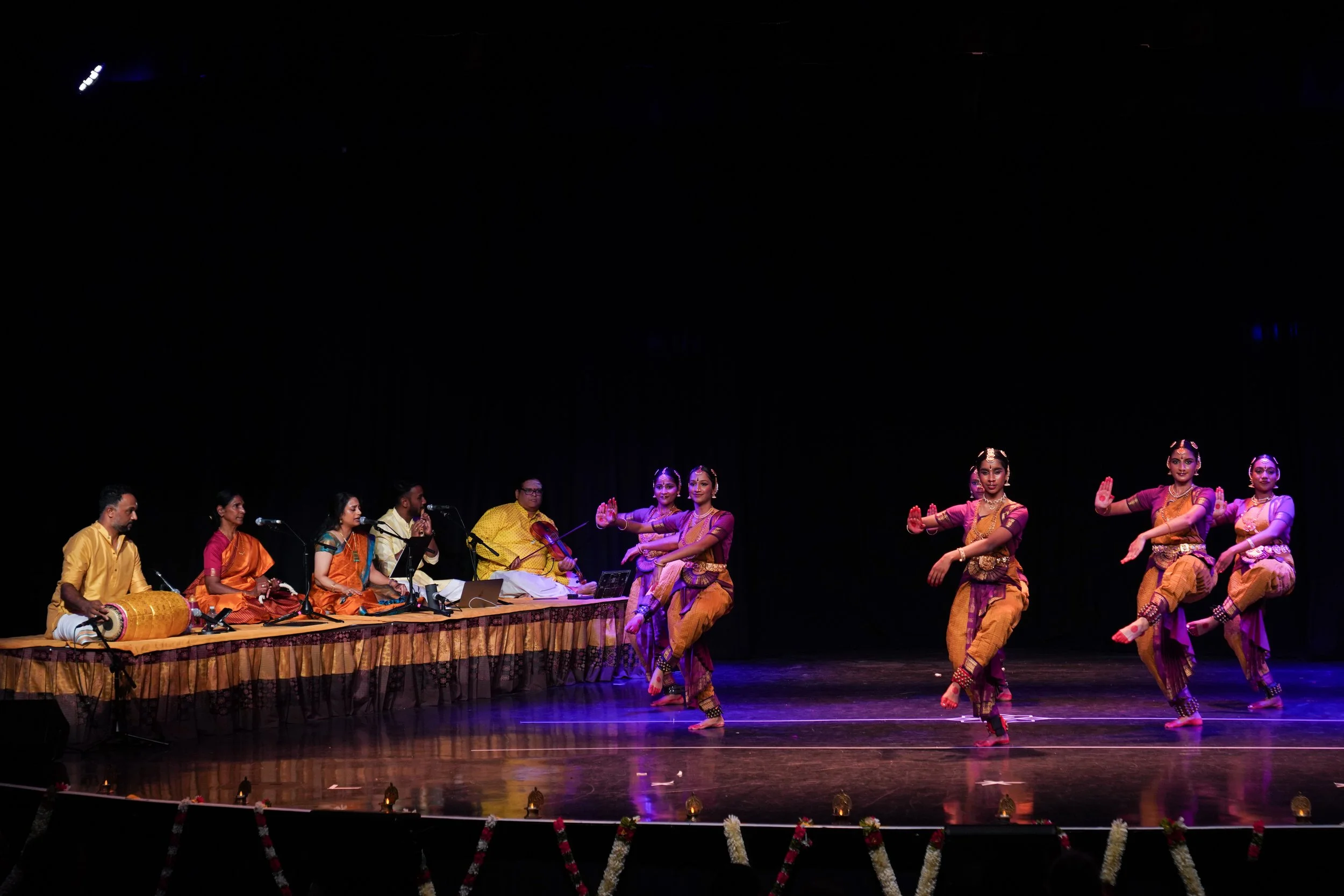
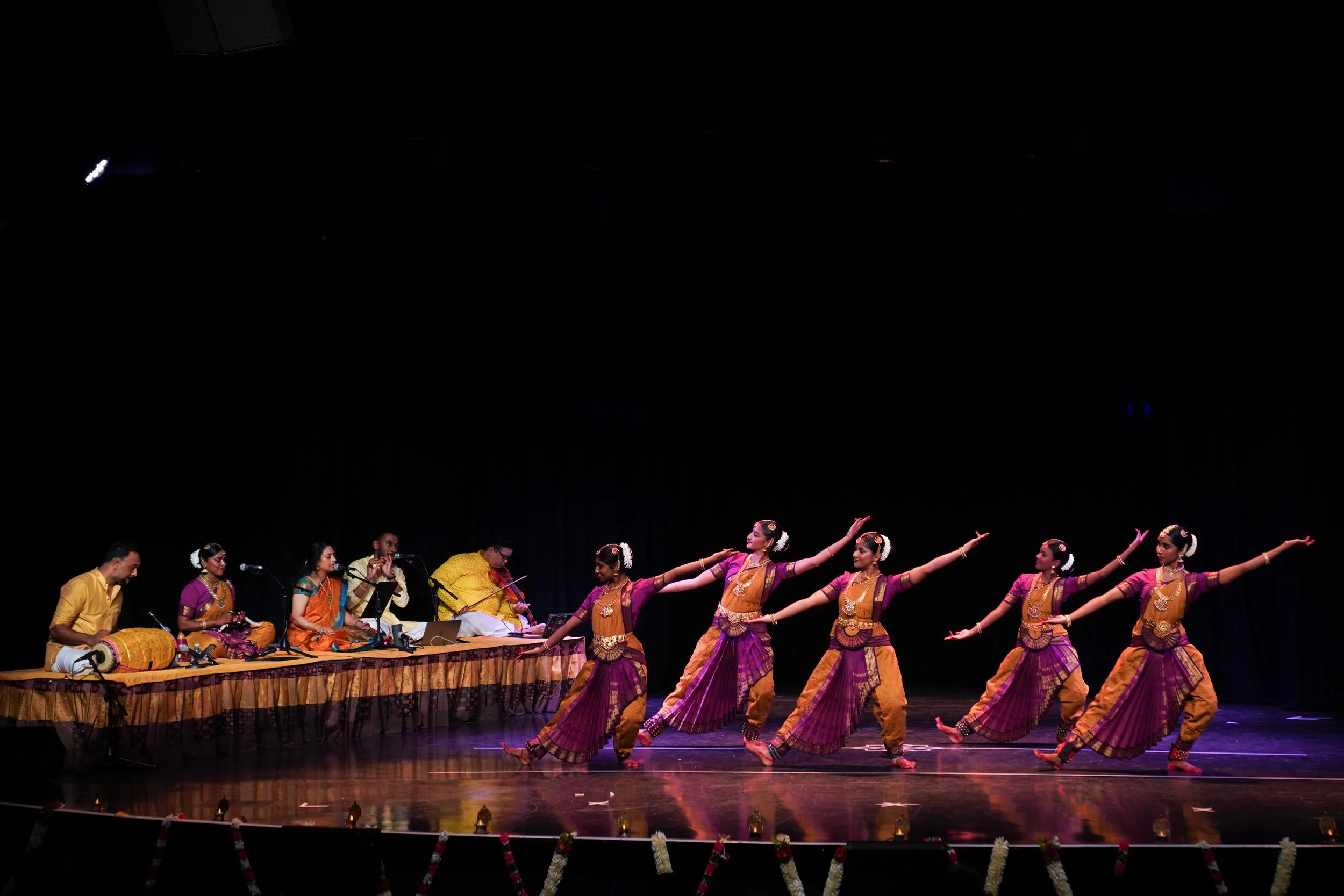
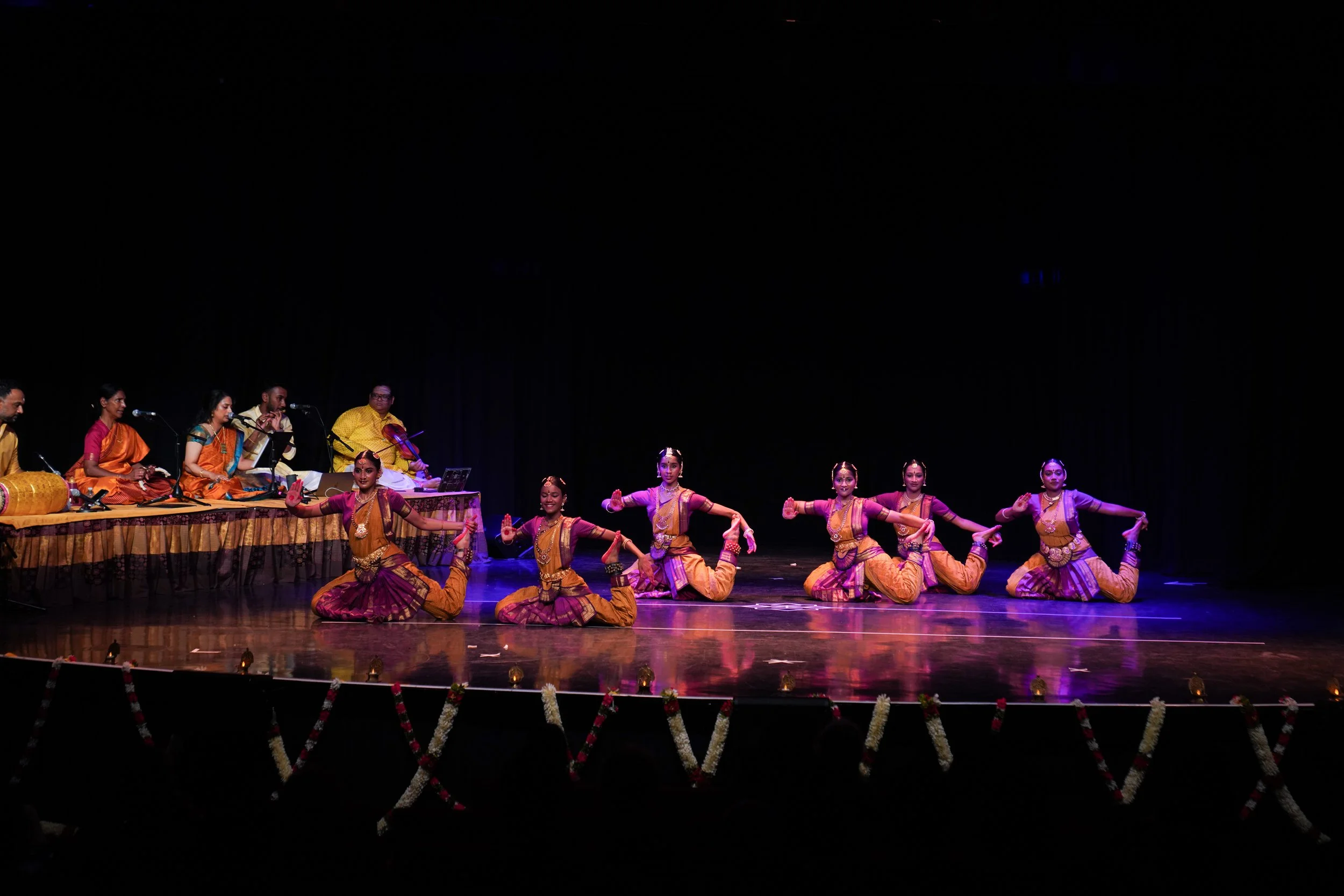
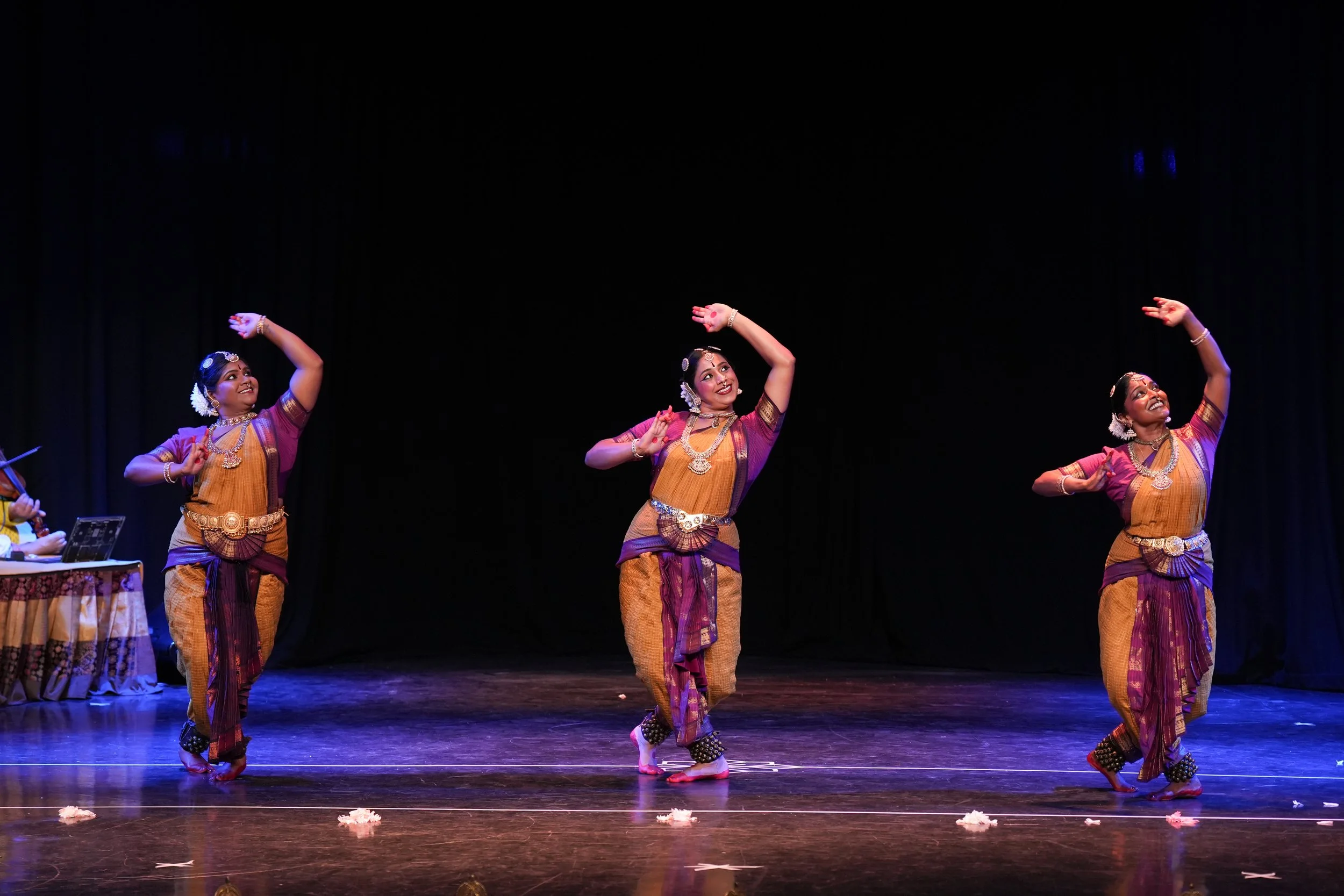
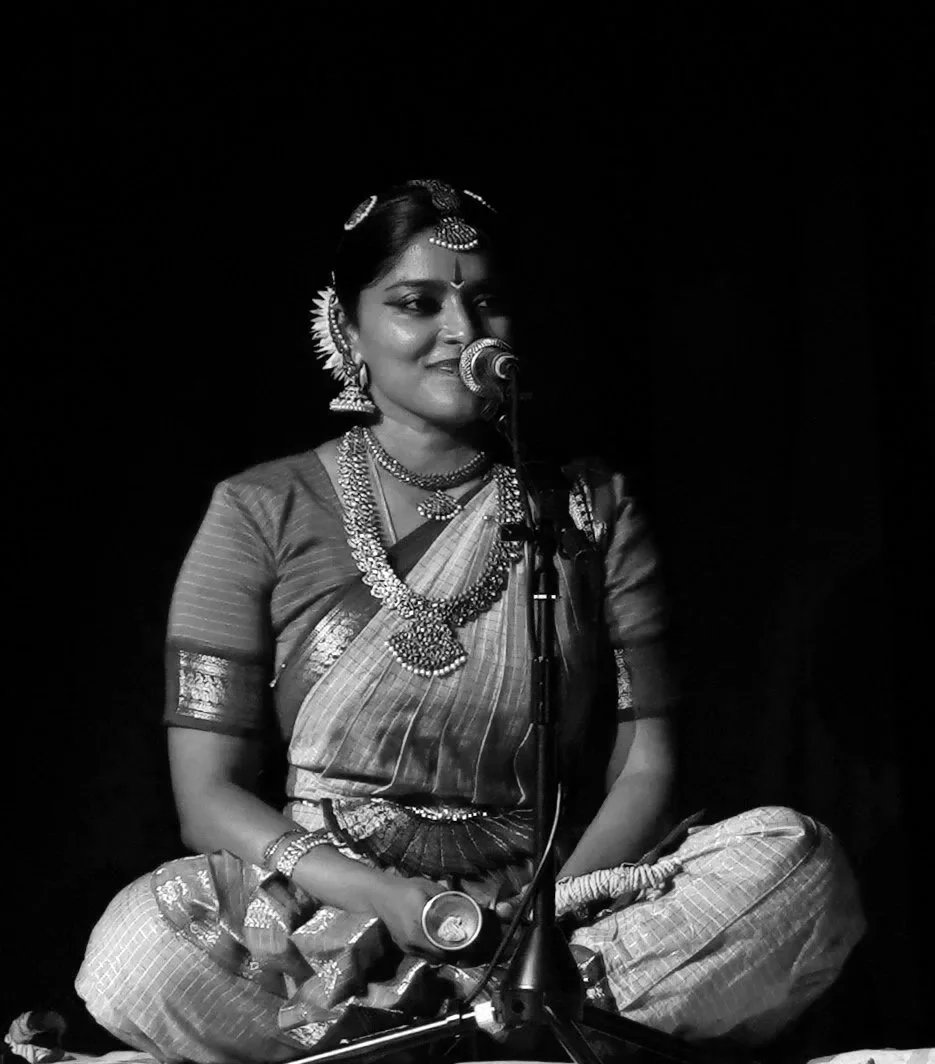
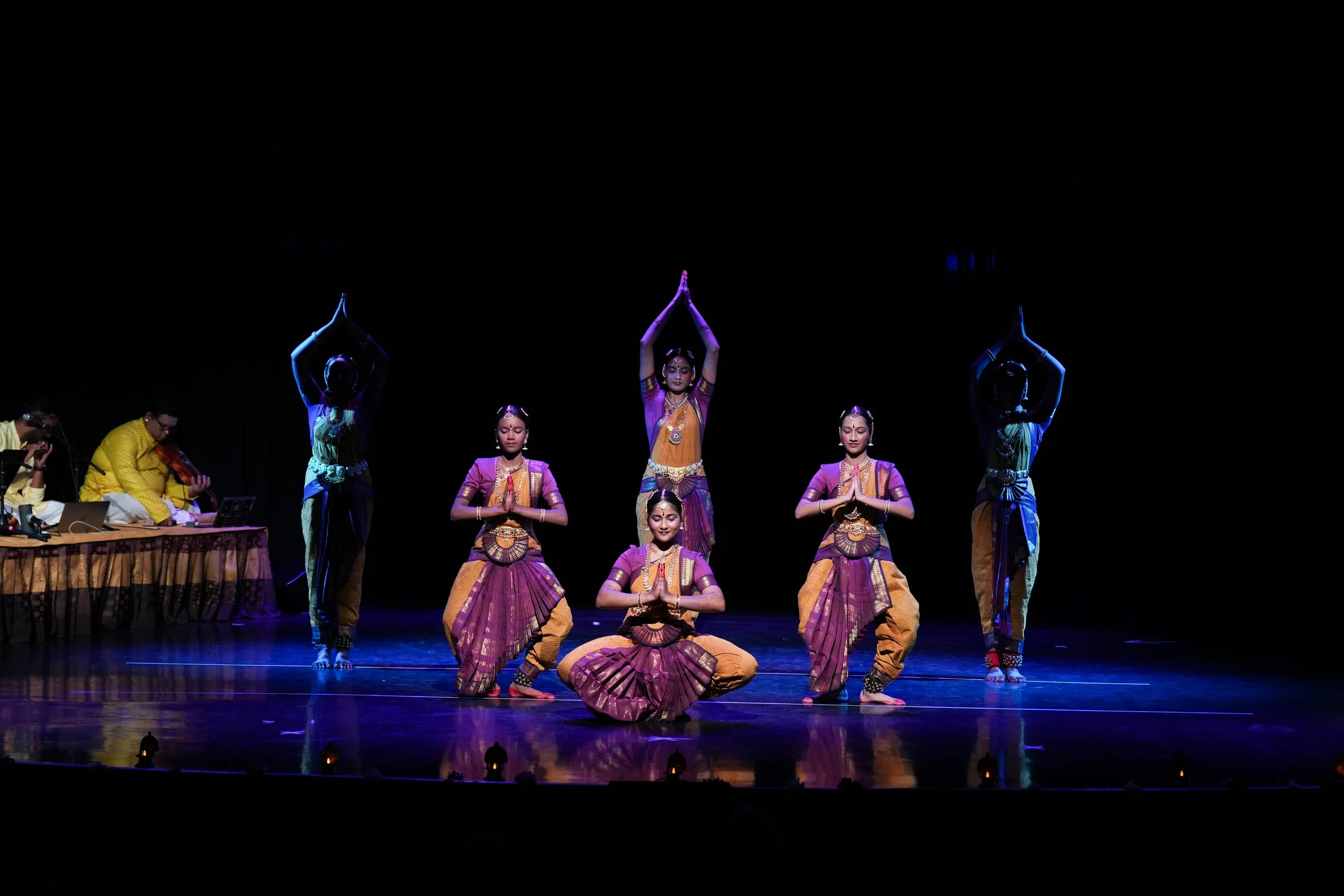
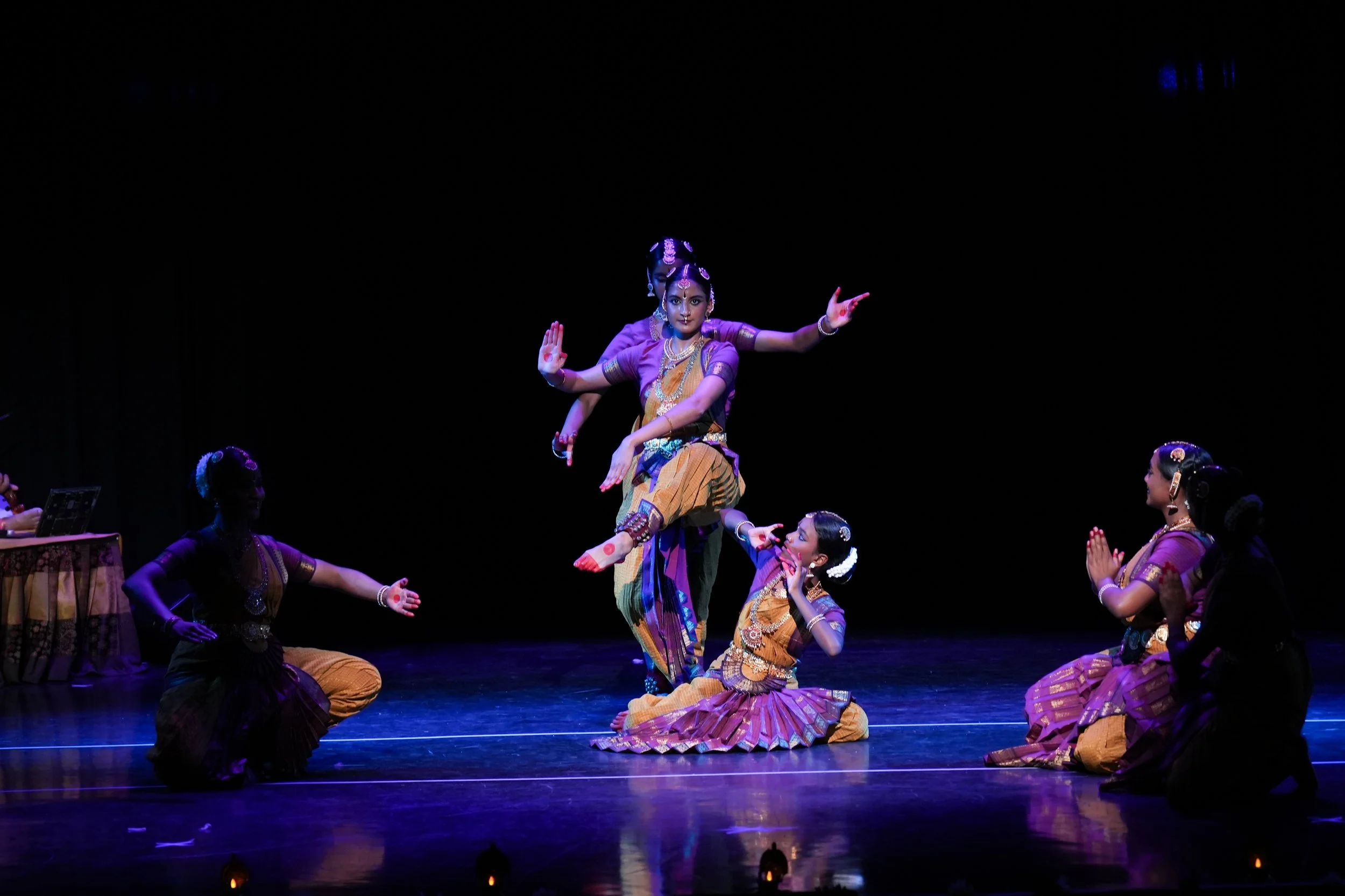
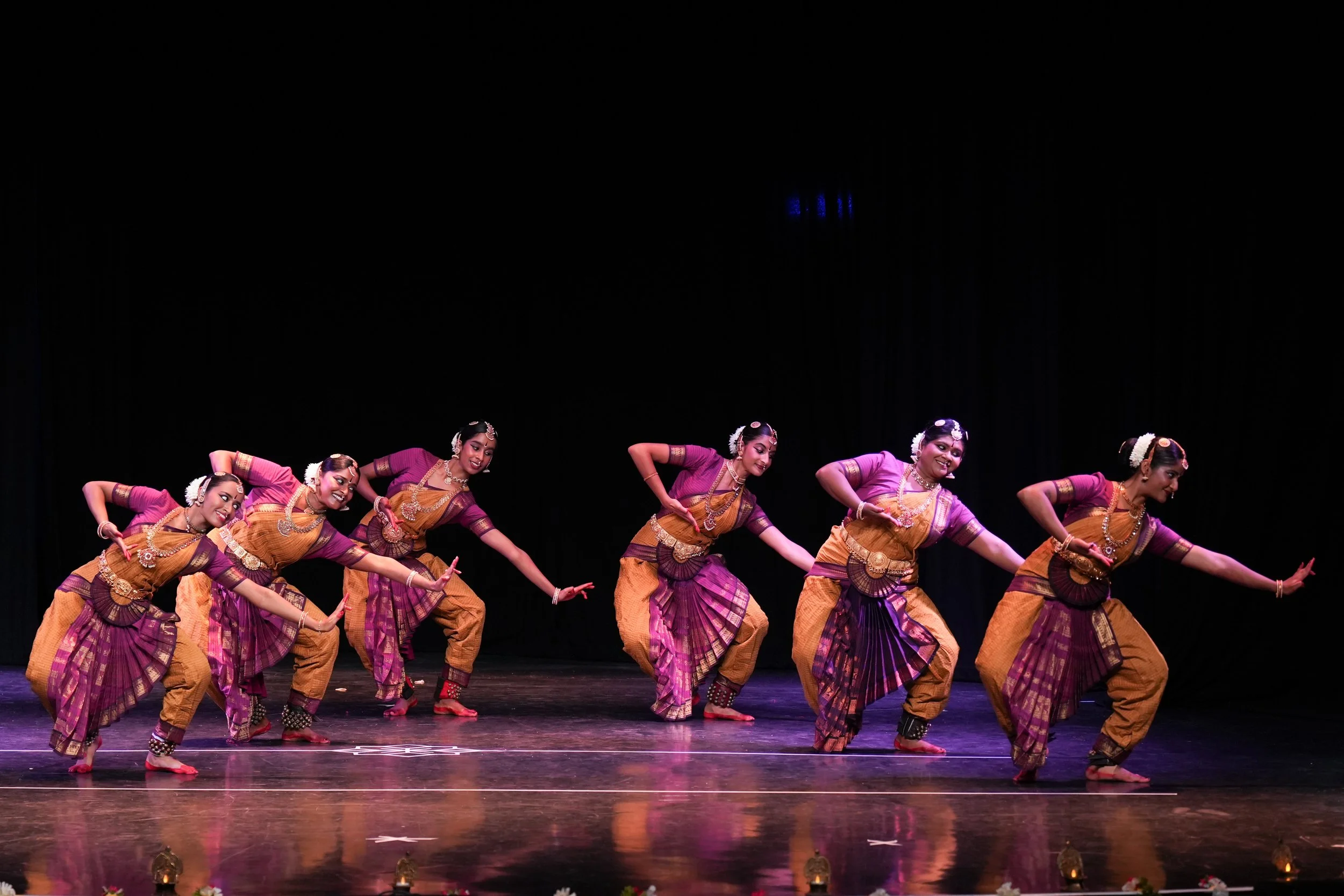
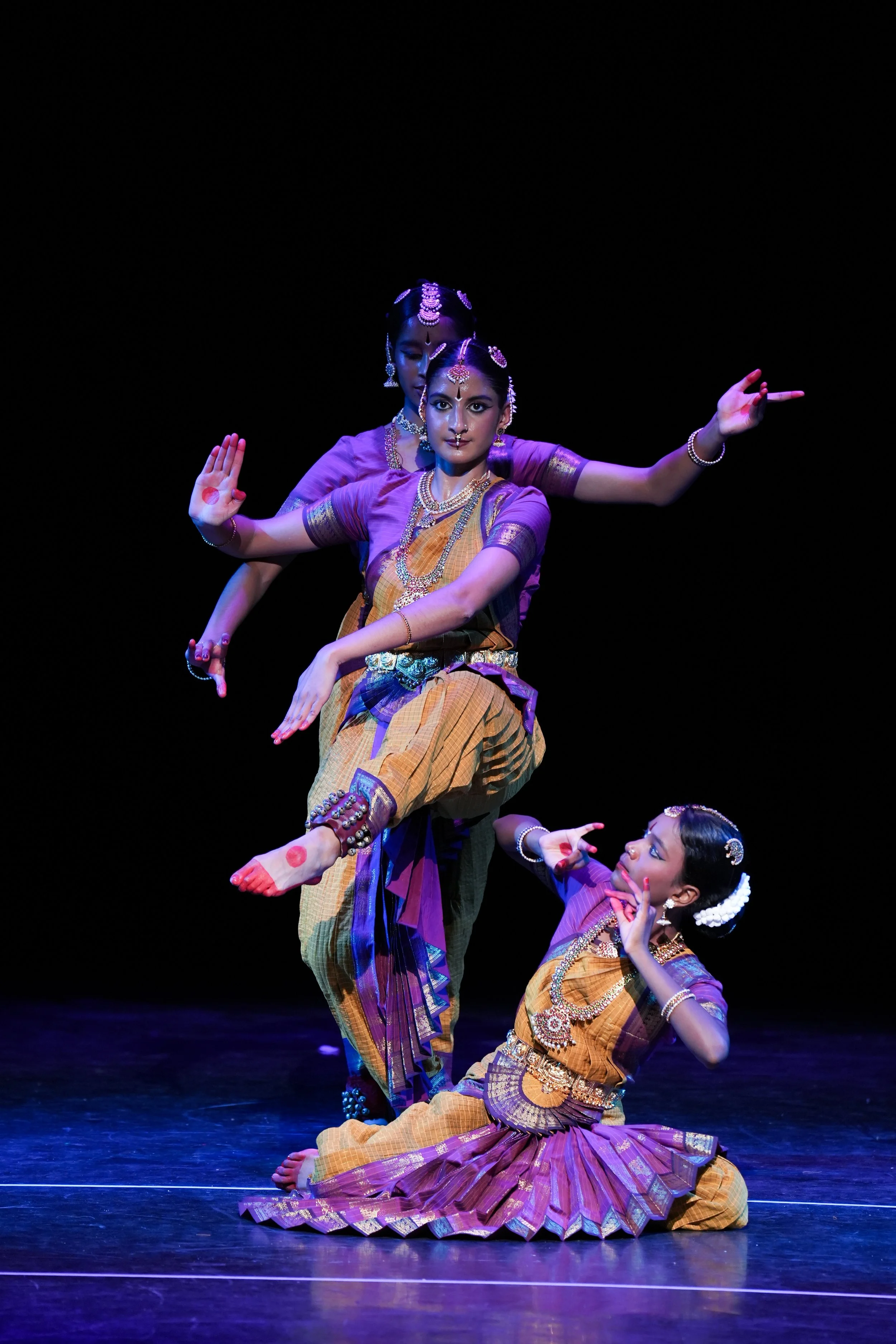
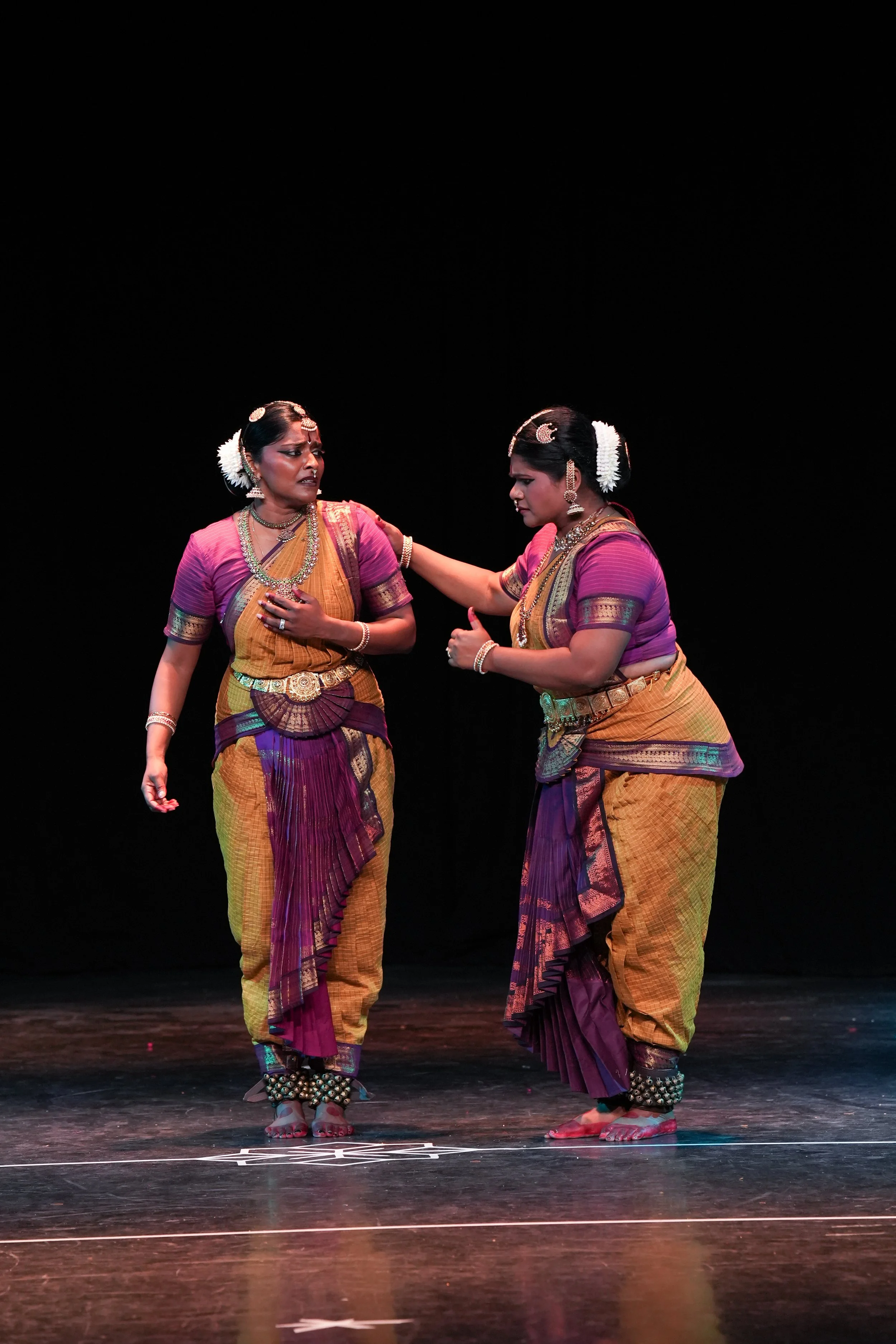
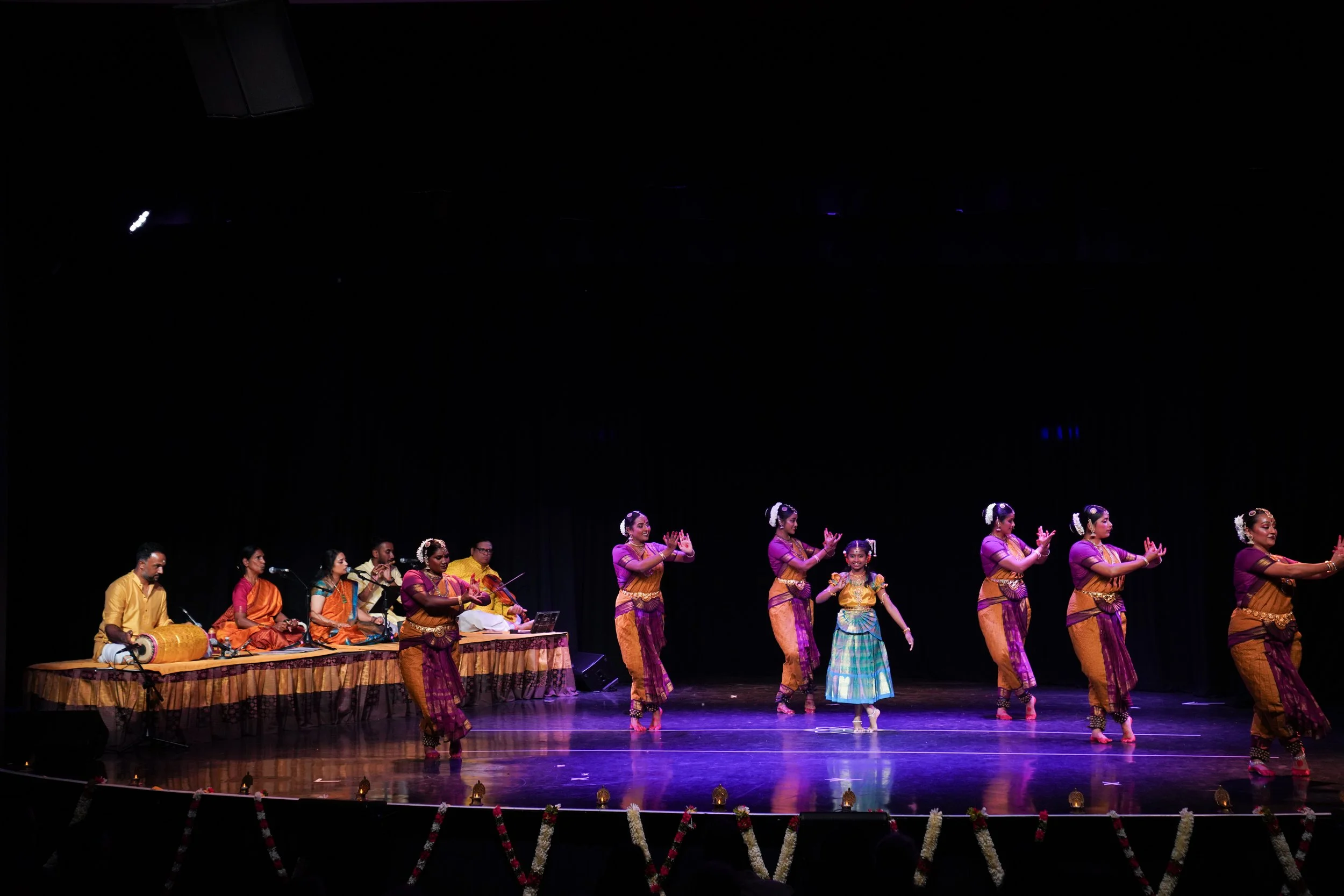
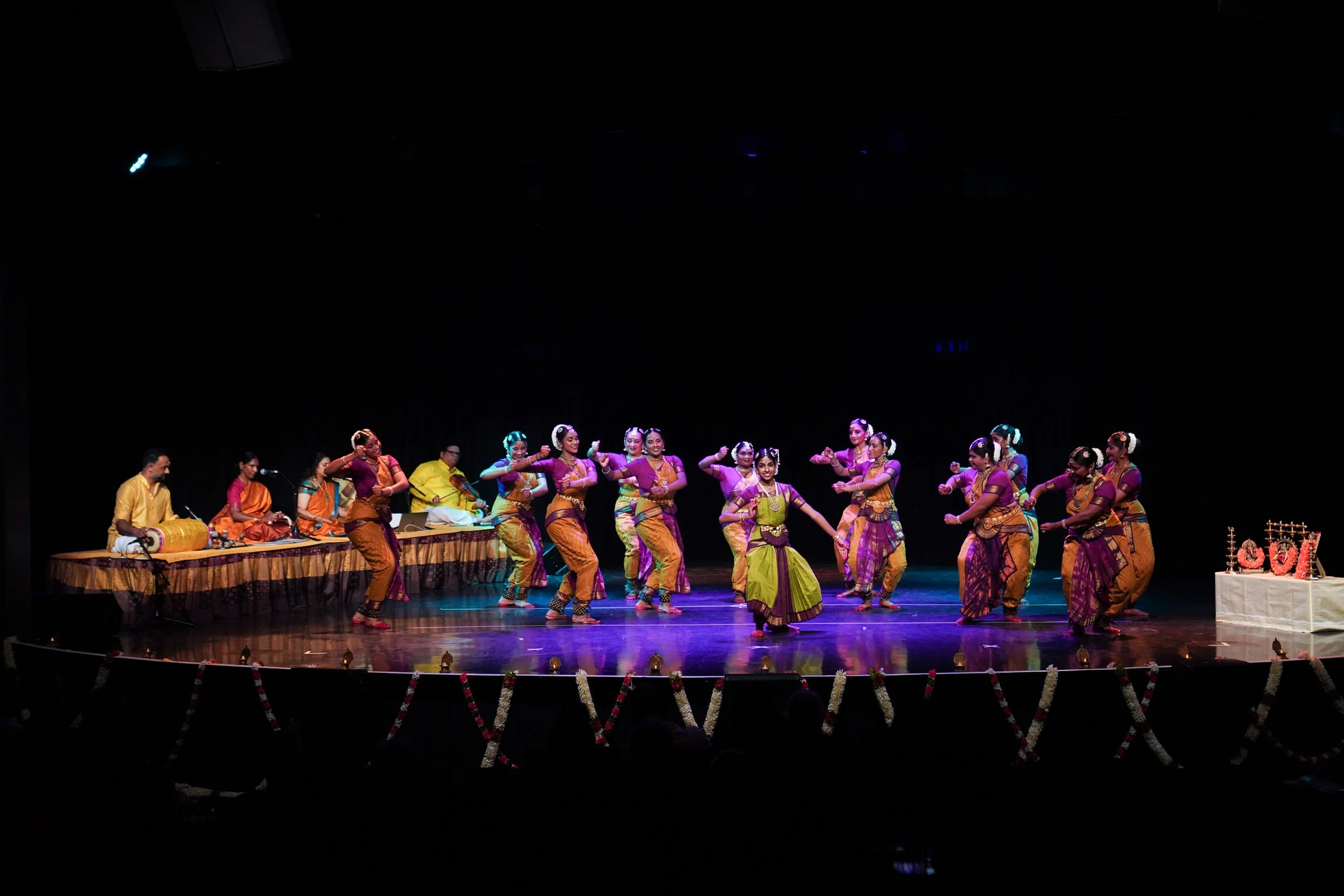
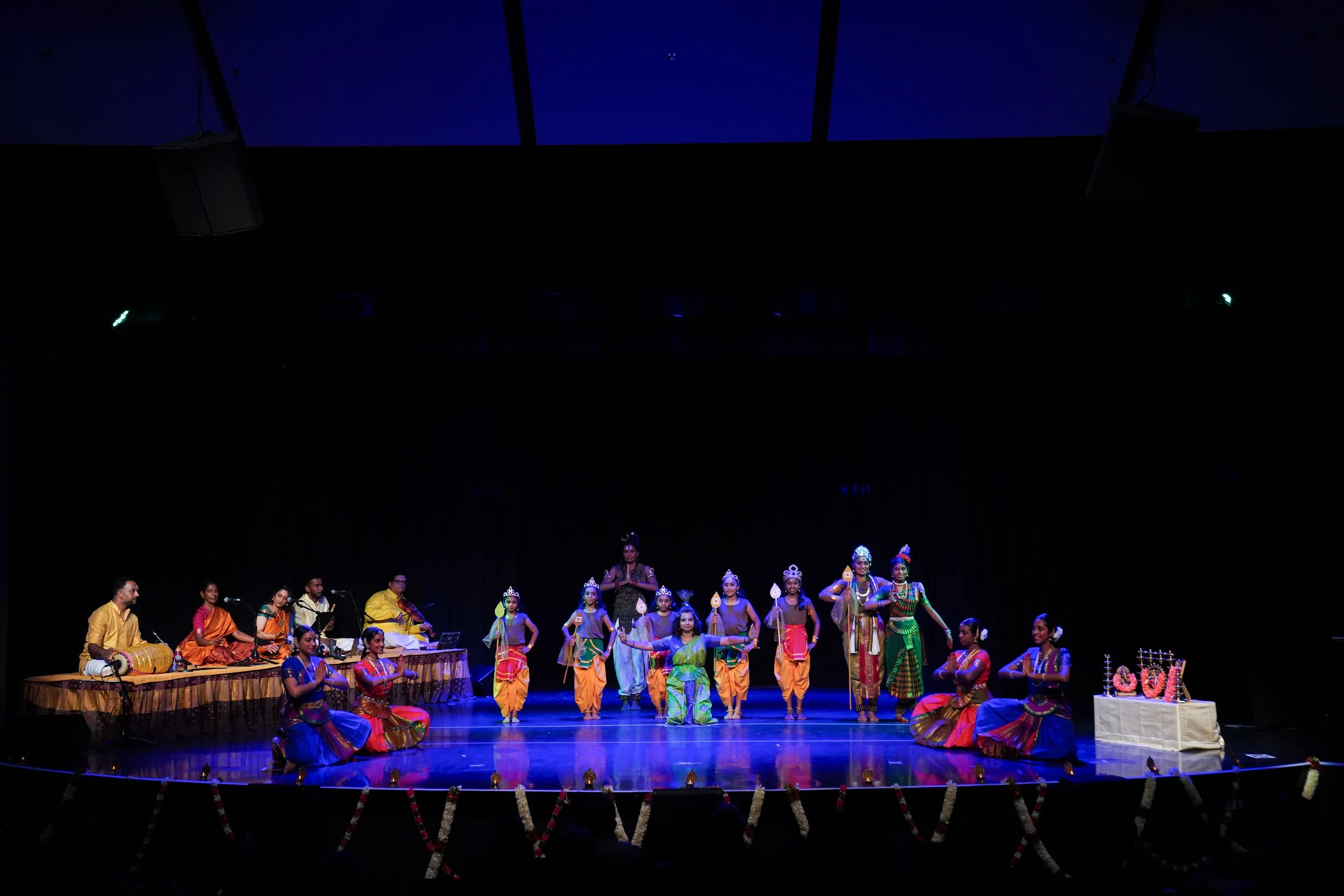
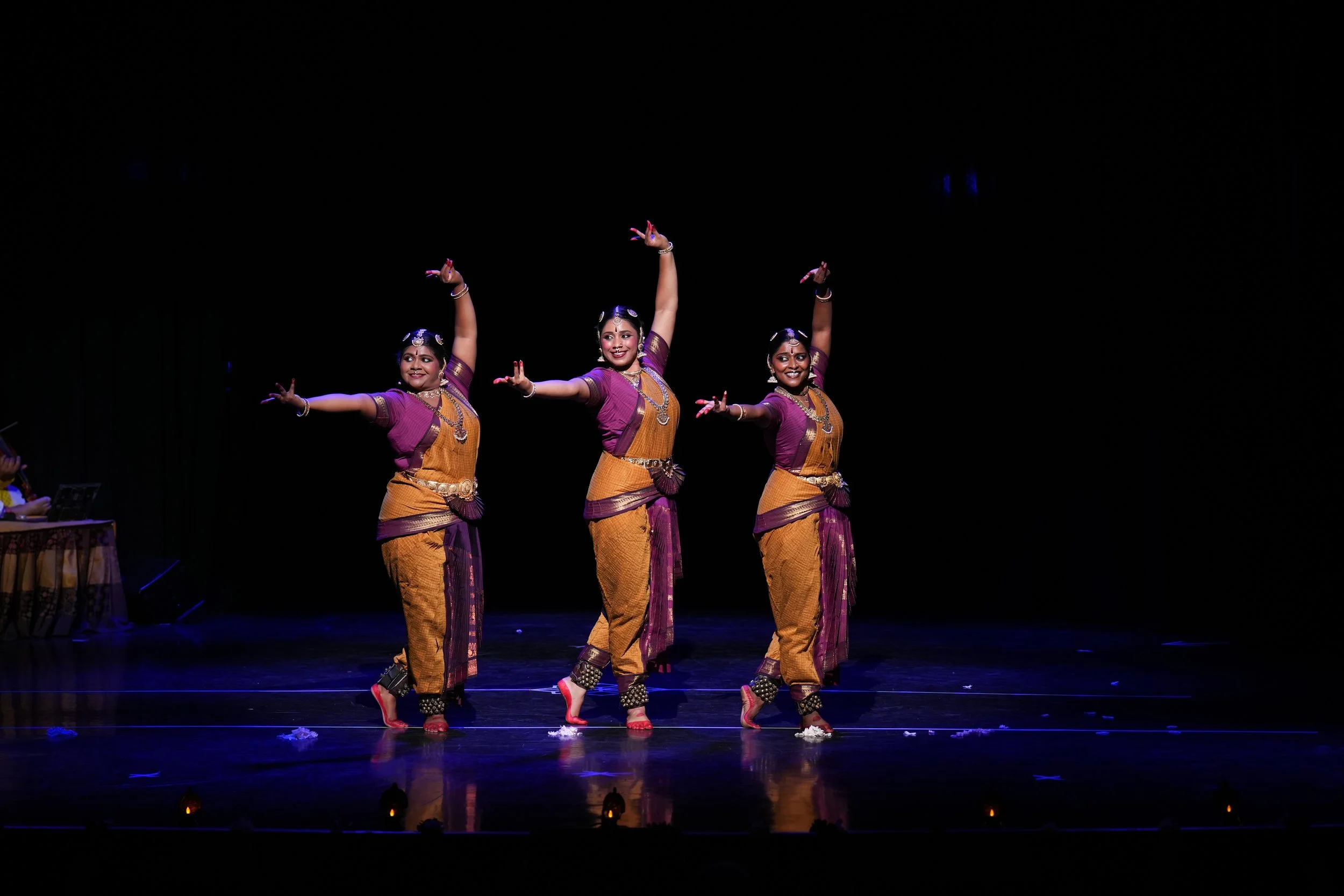
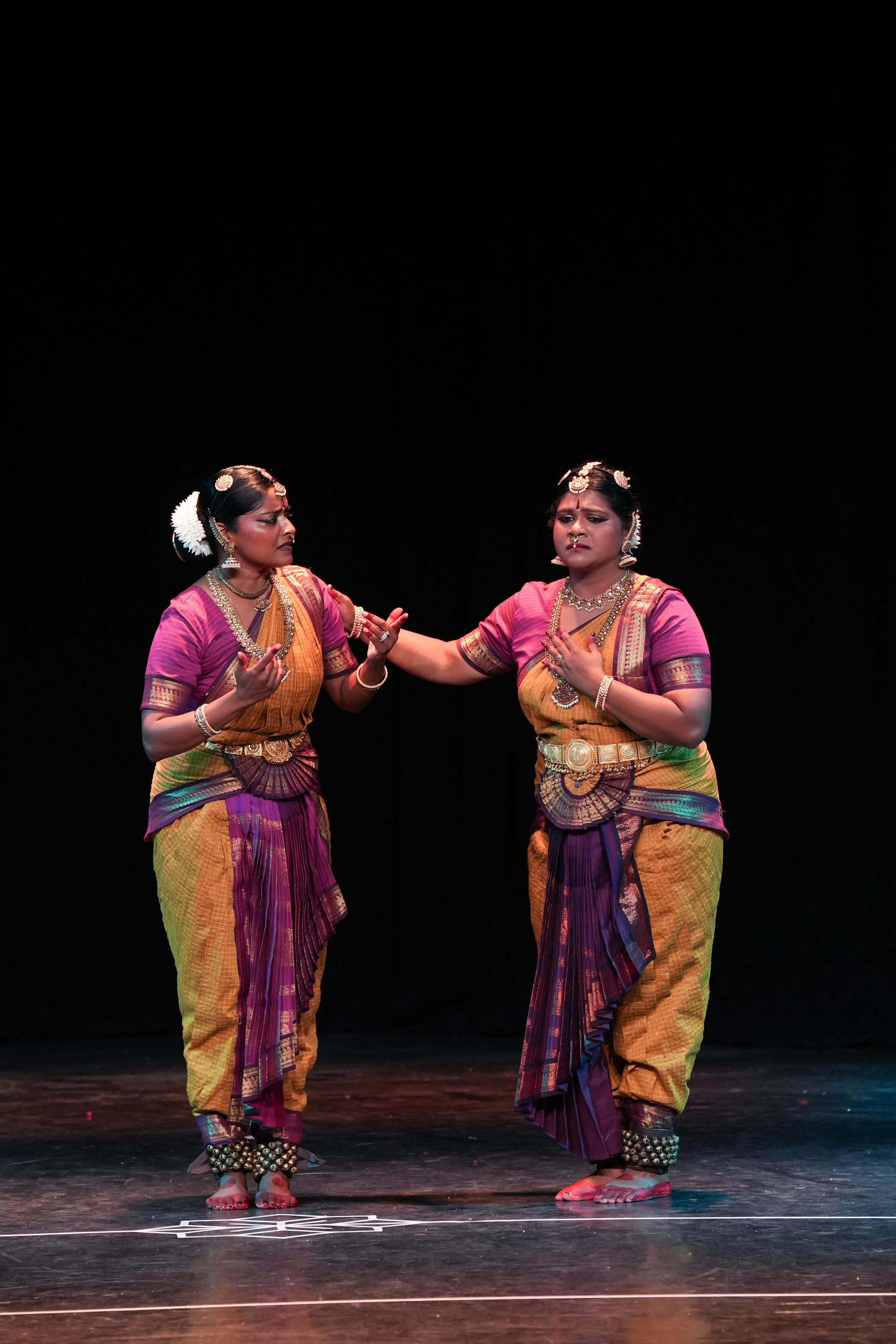
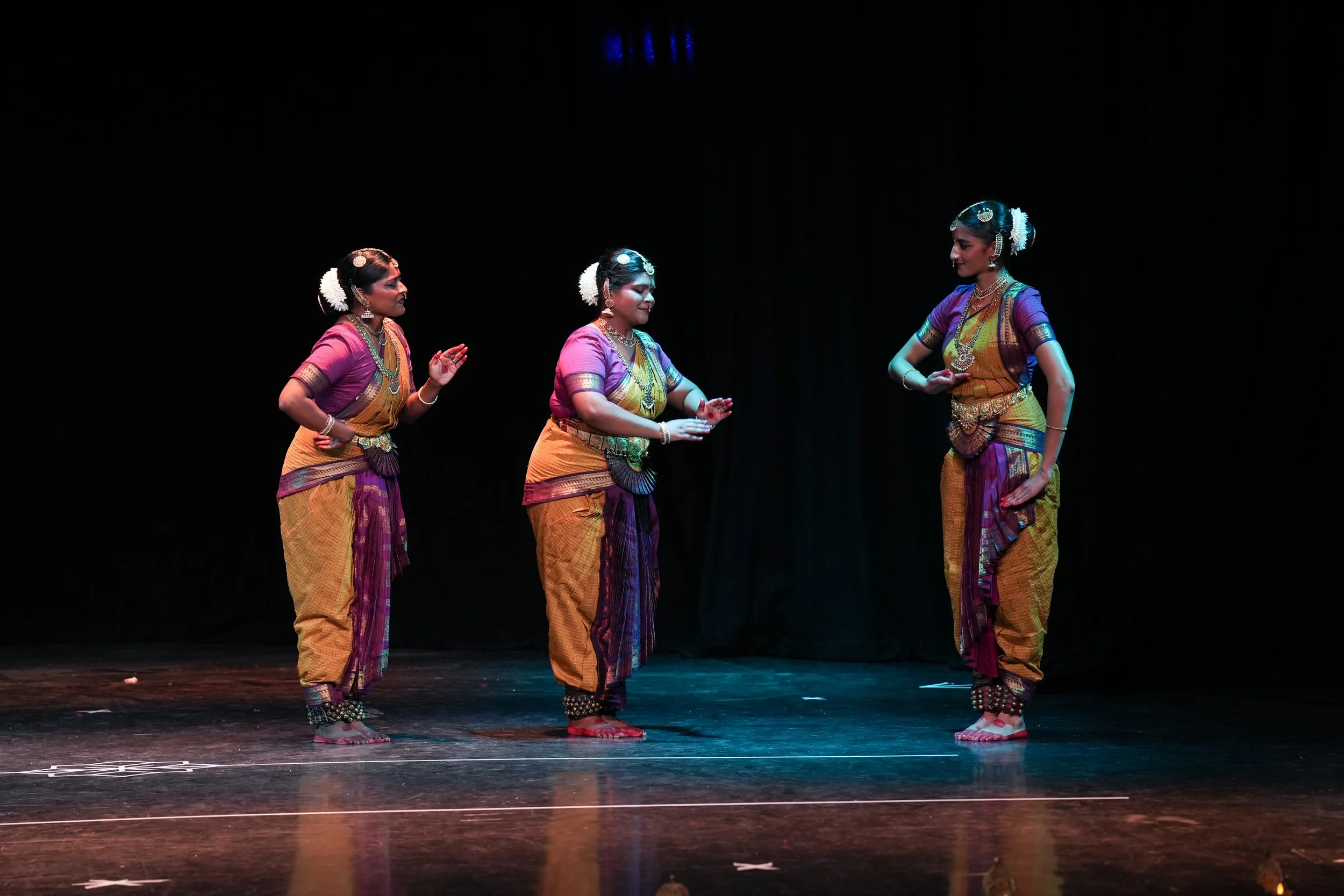
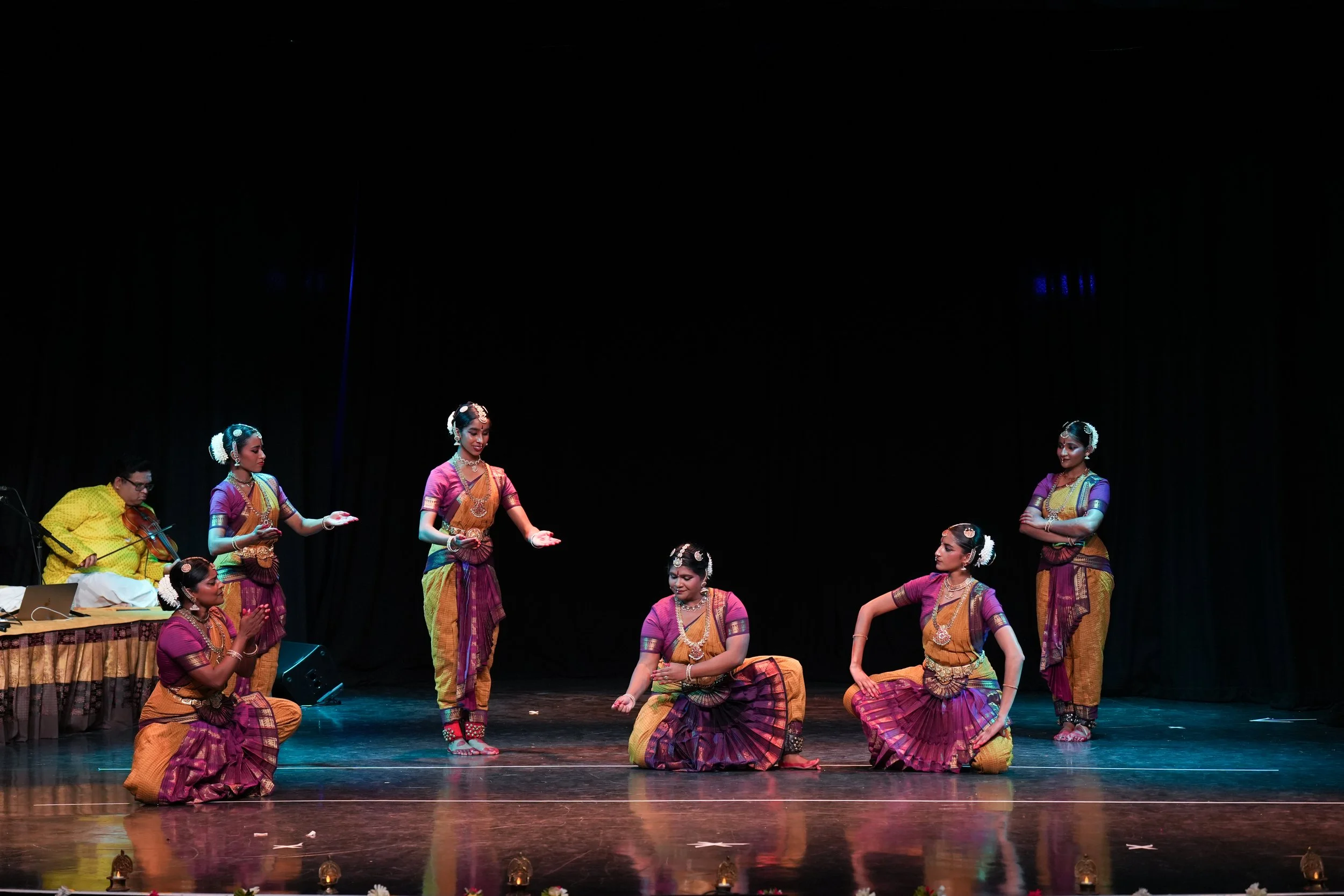
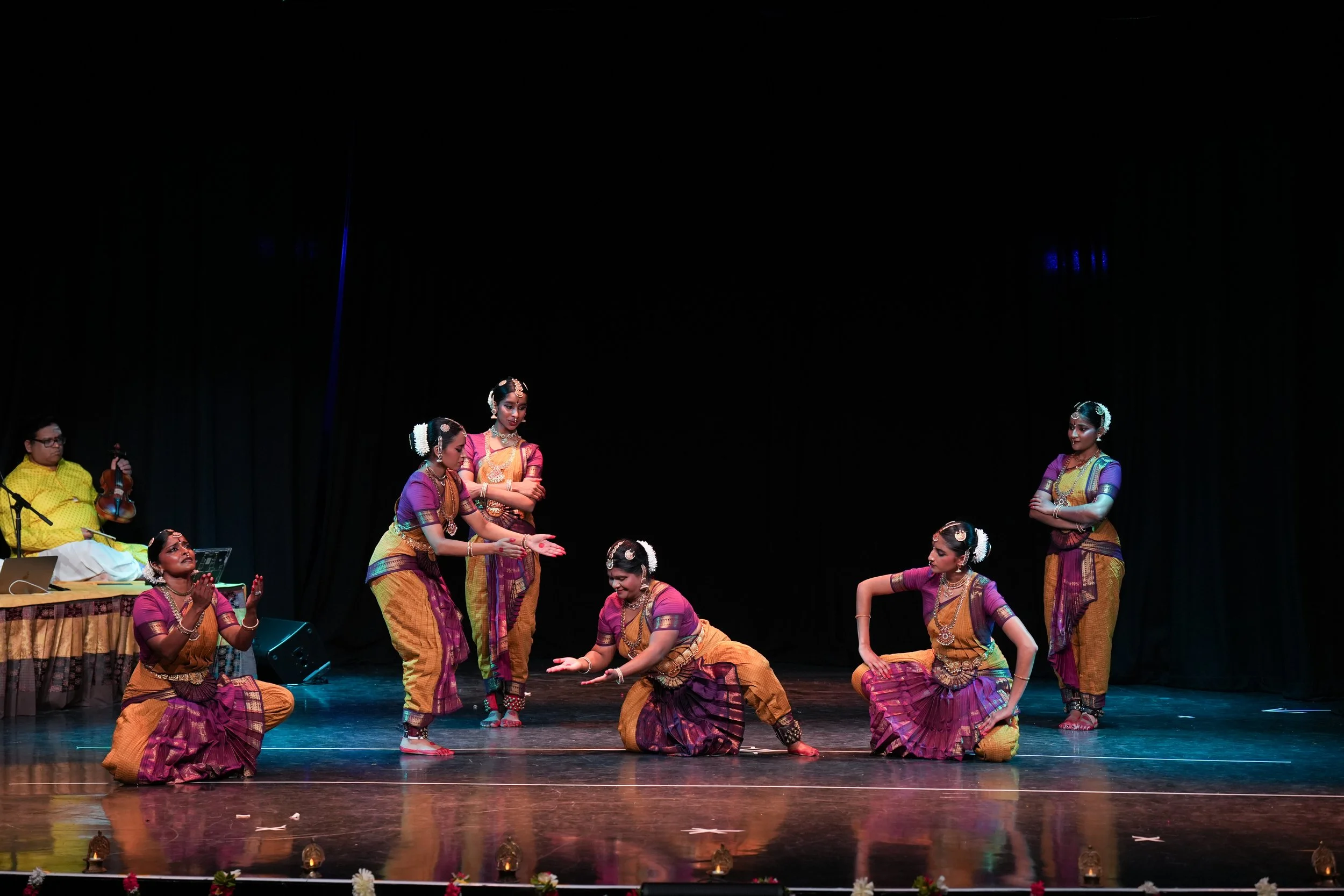
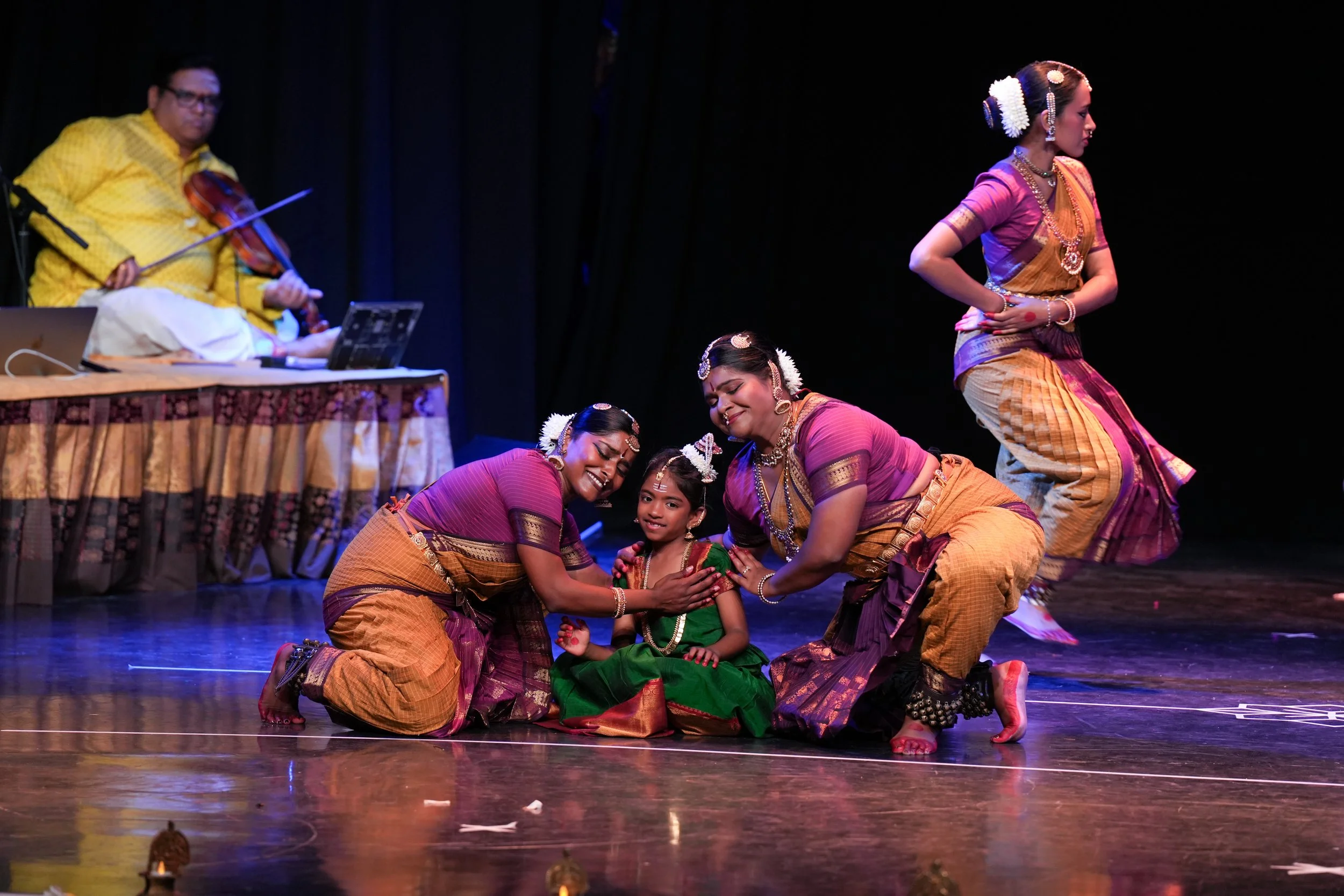
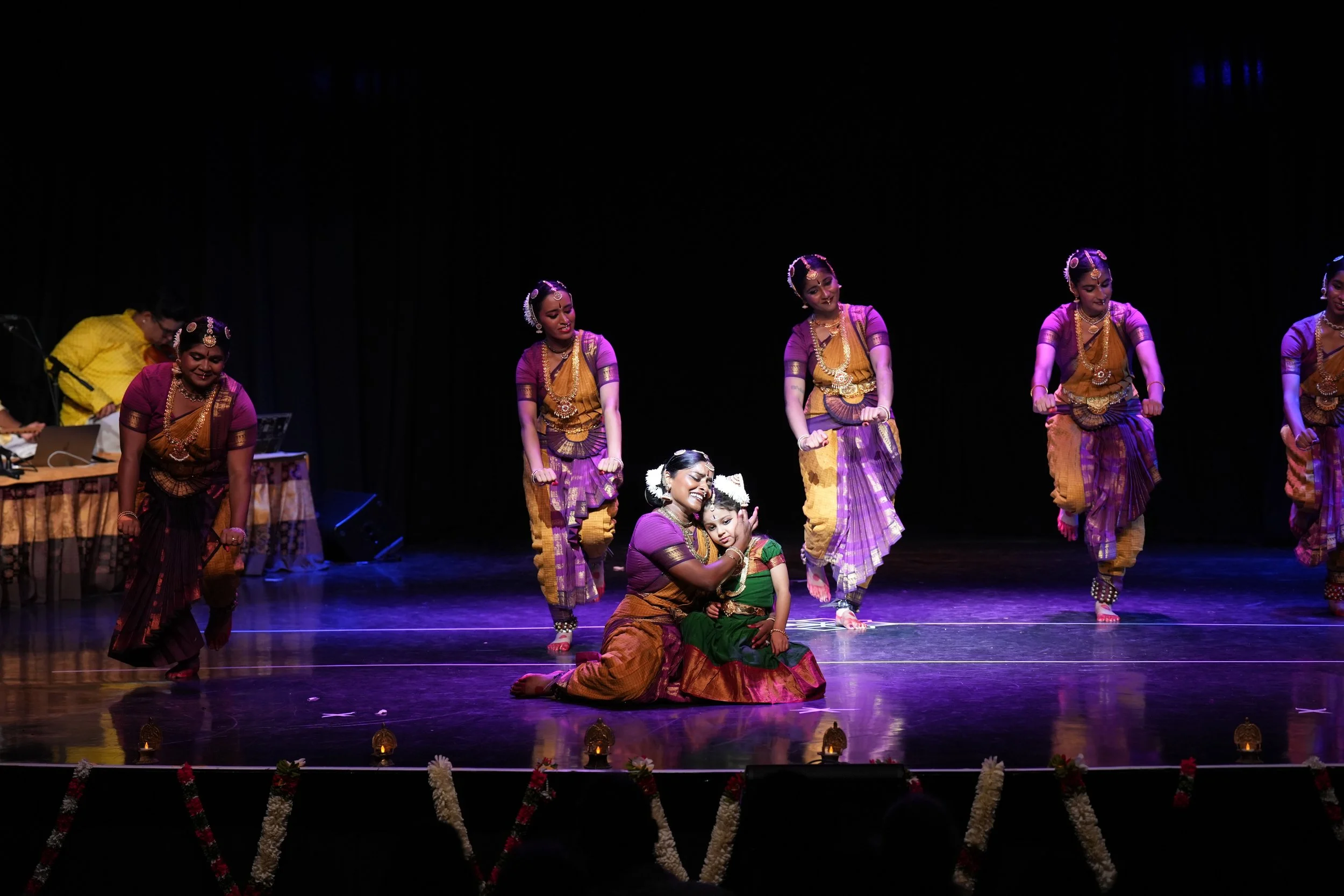
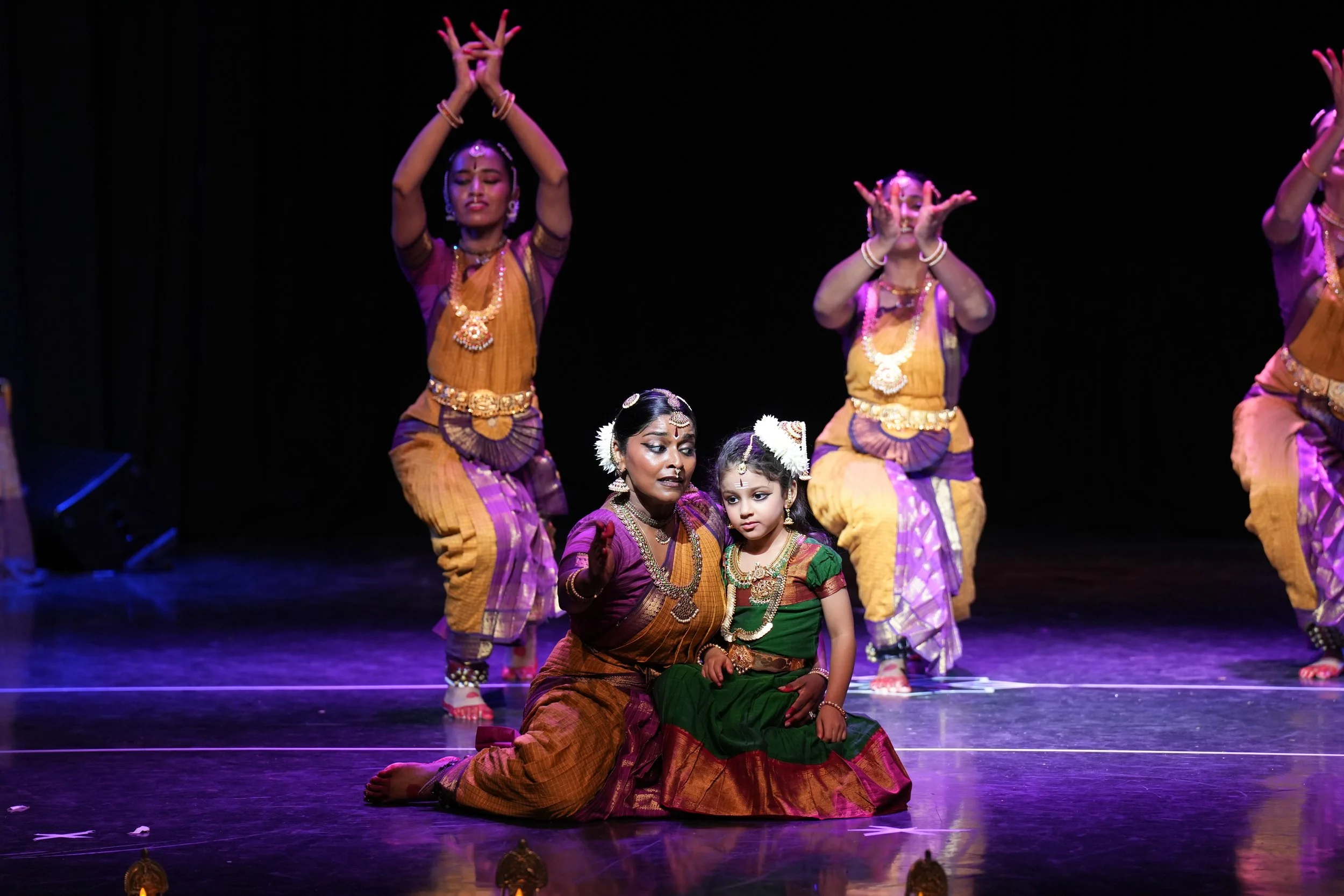
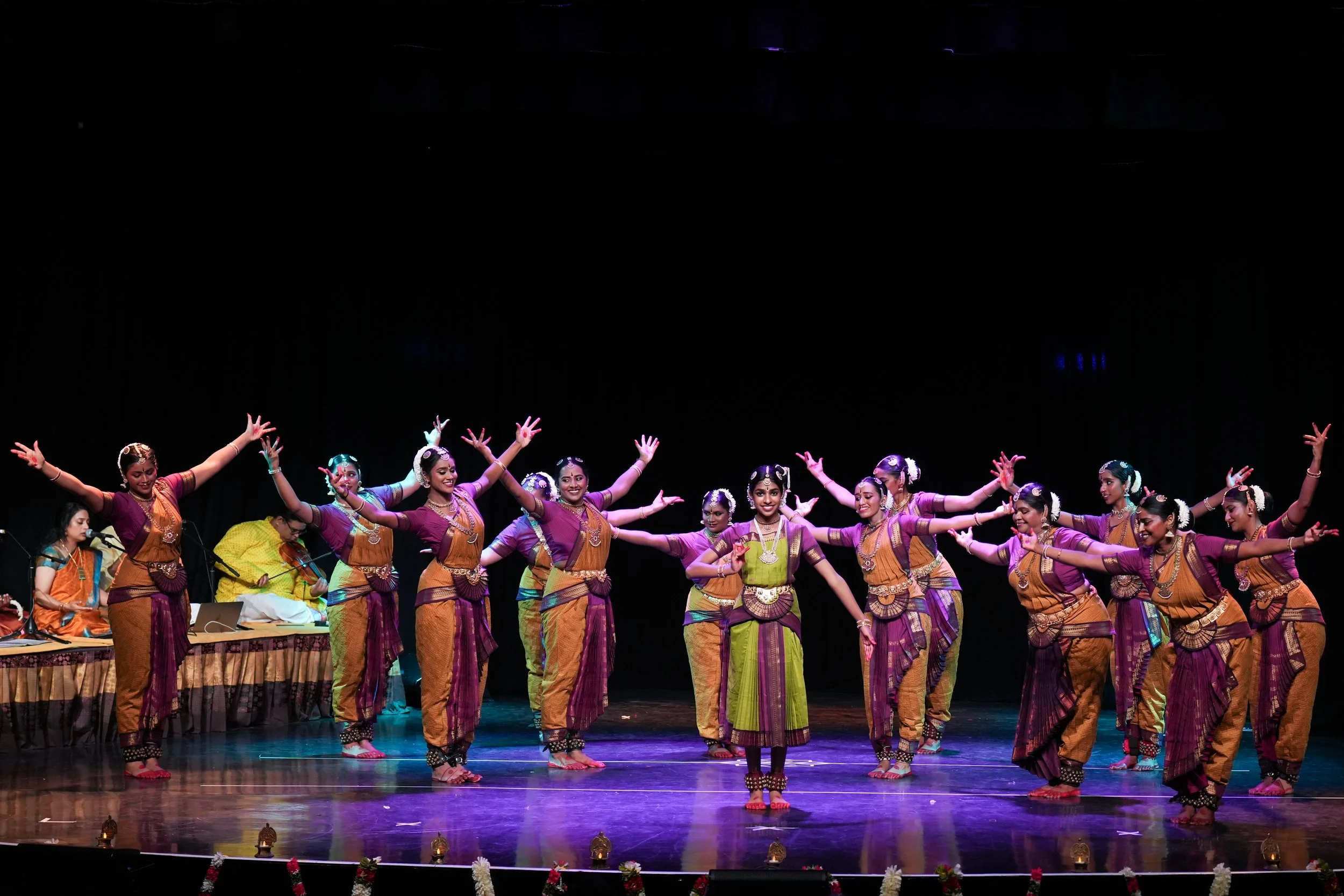
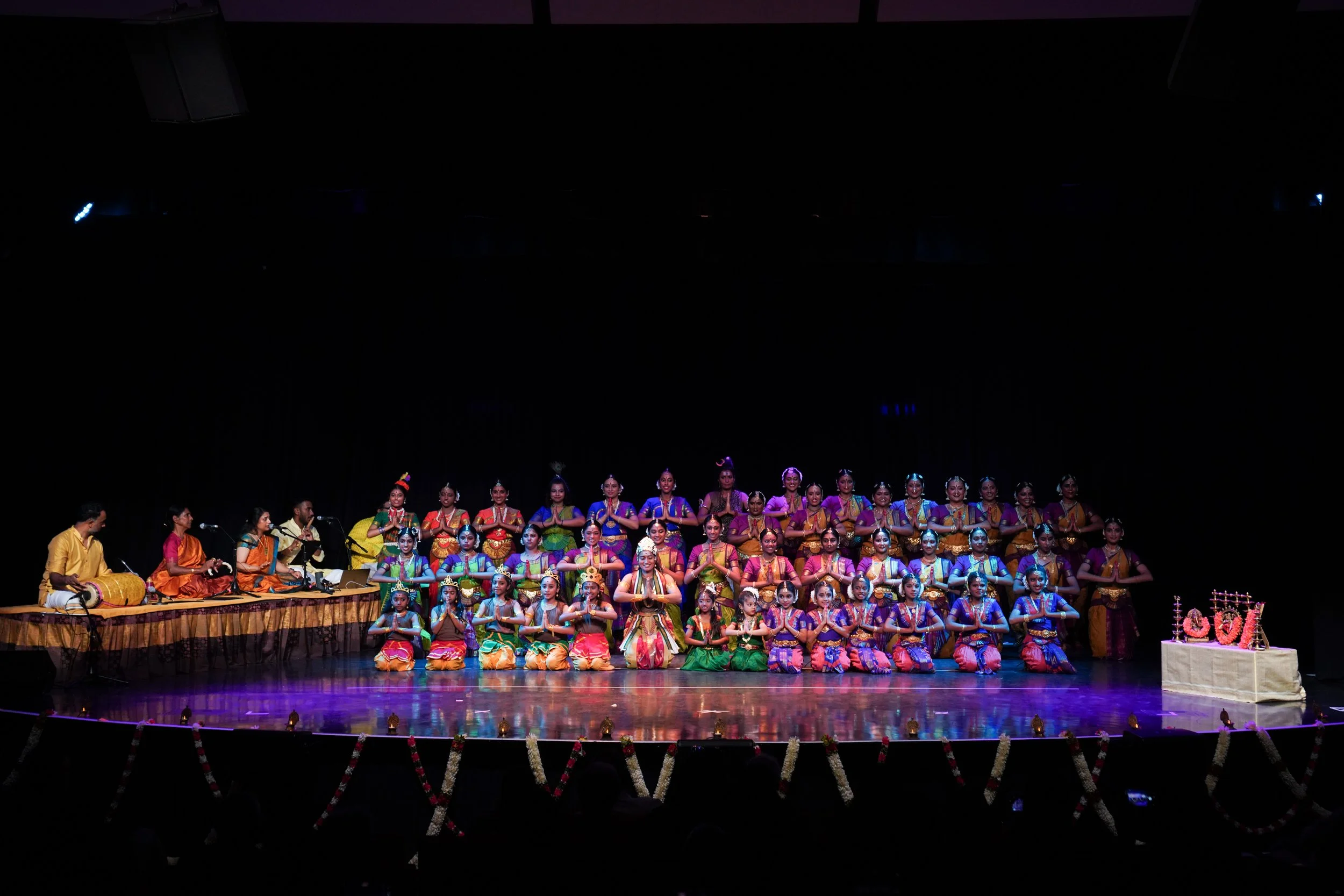
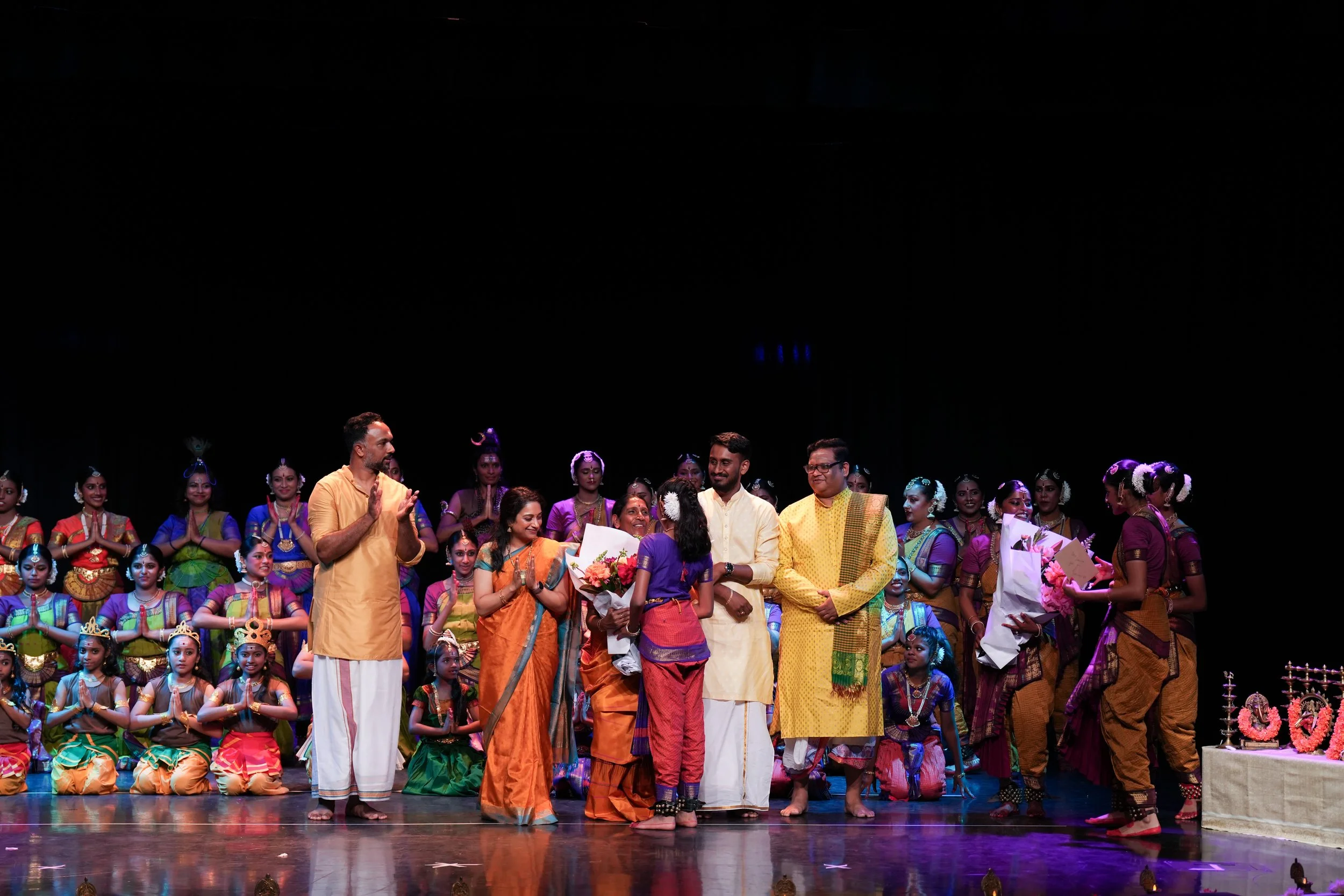
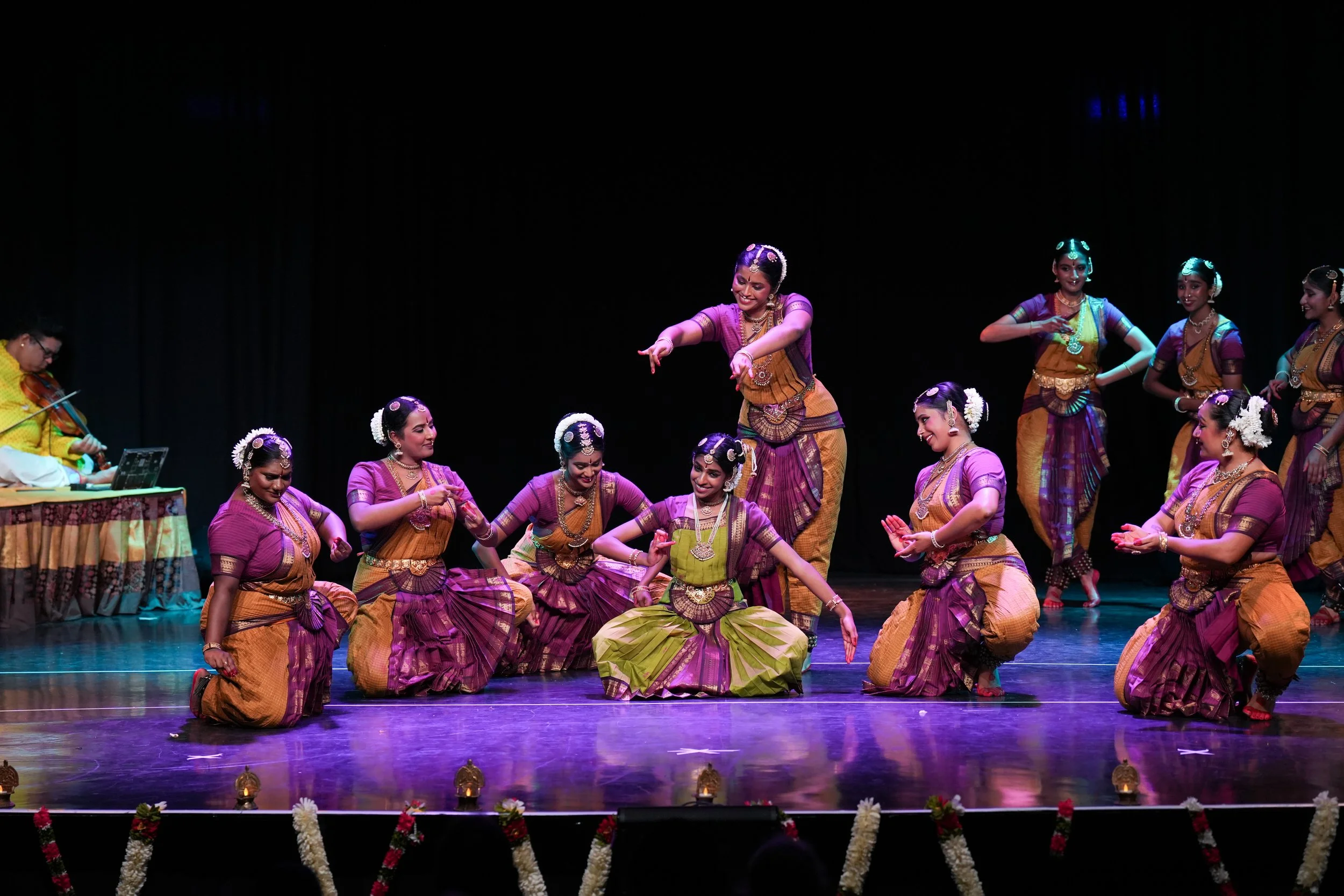
On 22 February 2026, the Bryan Brown Theatre in Bankstown was transformed into a vibrant sanctuary of rhythm and devotion. Naatya Manjari, a live orchestra showcase, was far more than a standard dance recital. It was a "Golden Celebration" of culture and mentorship, marking a monumental 50-year milestone for the Sydney arts community. Presented by the students of Natyakshetra Dance School and Nrityasagara School of Dance, the event served as a heartfelt tribute to decades of dedication to classical dance preservation.
A Legacy of Excellence: The Kalapooshanam Distinction
The evening was anchored by the historic Golden Jubilee of Natyakshetra, celebrating a journey that began in 1975. Central to this legacy is the school's founder, Smt. Anusha Tharmarajah, an alumnus of the world-renowned Kalakshetra school in Chennai. Recognising her extensive contributions to the arts, the Sri Lankan government previously honoured her with the prestigious title of 'Kalapooshanam'.
What is a Kalapooshanam?
Derived from the words Kala (Art) and Pooshanam (Jewel or Ornament), the title literally means the "Jewel of the Arts." It is a state honour reserved for senior artists who have shown exceptional mastery and a lifelong commitment to preserving traditional cultural heritage.
This level of expertise was visible throughout the programme, particularly in the collaboration with Amesha Darshana, founder of Nrityasagara. Having trained under Smt. Anusha for over 30 years and performing her Arangetrum in 2005, Amesha continues to uphold the strict Kalakshetra lineage while inspiring the next generation of dancers in Sydney.
Pedagogical Continuity and the Nrityasagara Collaboration
The relationship between Natyakshetra and Nrityasagara provides a case study in "pedagogical succession." Amesha Darshana, who performed her Arangetrum as the first Sydney-trained graduate of Natyakshetra, has spent decades upholding the strict Kalakshetra lineage. Her decision to found Nrityasagara was not a departure from her guru’s teachings but an expansion of them, aimed at inspiring the next generation of dancers in Sydney with the same discipline she received.
Nrityasagara operates with a philosophy that Bharatanatyam is "not just a dance form, but an expression of culture and tradition". The school offers a comprehensive curriculum that caters to all skill levels, from beginners to advanced performers, with a focus on both technical proficiency and personal development. This approach ensures that students do not just learn the movements, but also understand the architectural and historical significance of the Kalakshetra style—a style often described as the "temple architecture of dance" due to its emphasis on linear clarity and structural balance.
The "Naatya Manjari" performance featured a collaboration that symbolised the passing of the artistic baton. Senior students of Smt. Tharmarajah assisted with the Nattuvangam (the rhythmic conducting of the dance using cymbals), a role traditionally reserved for the guru. This transition suggests that Natyakshetra has successfully built a sustainable ecosystem of artists who are capable of leading the school into its next 50 years.
The Power of a Live Orchestra
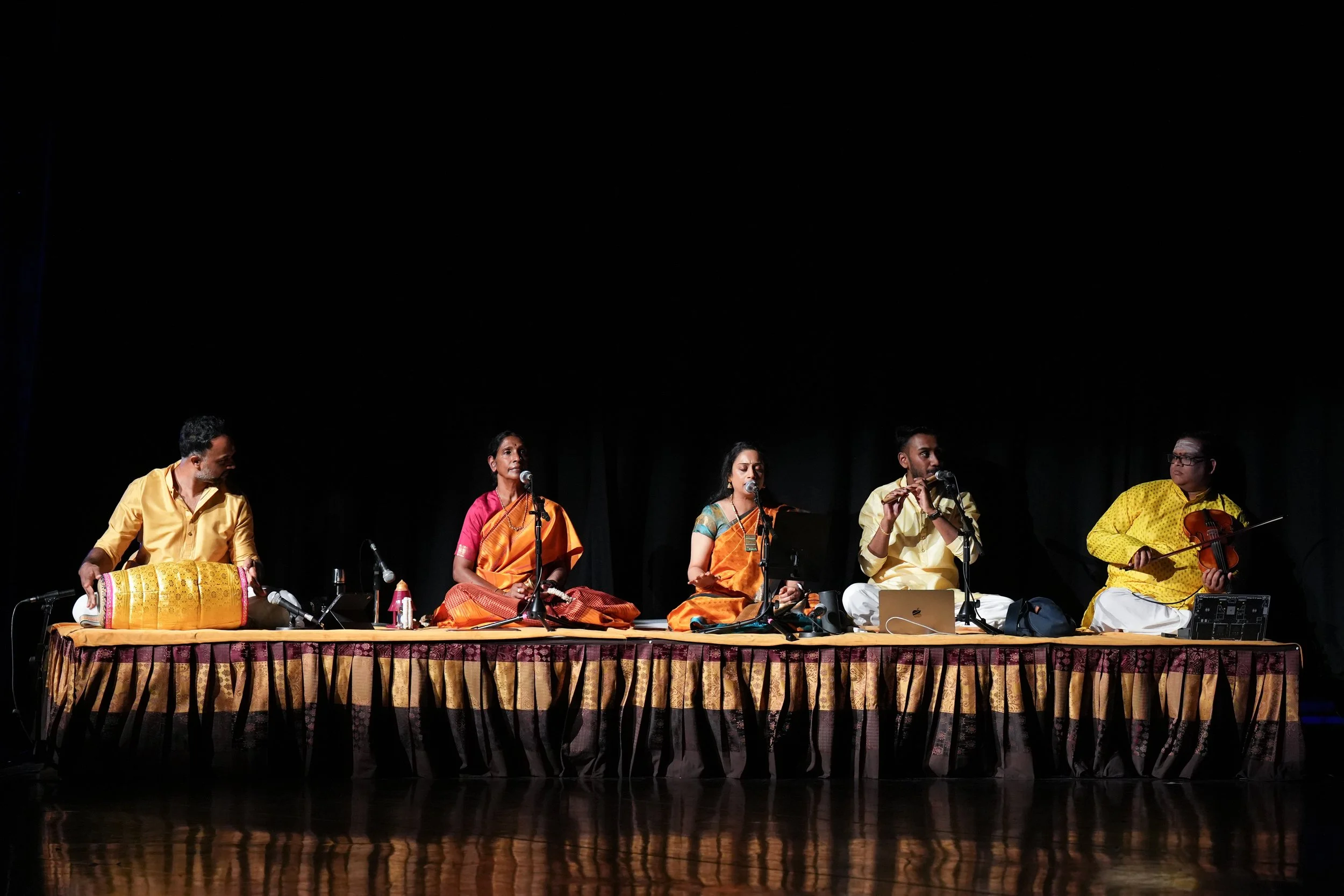
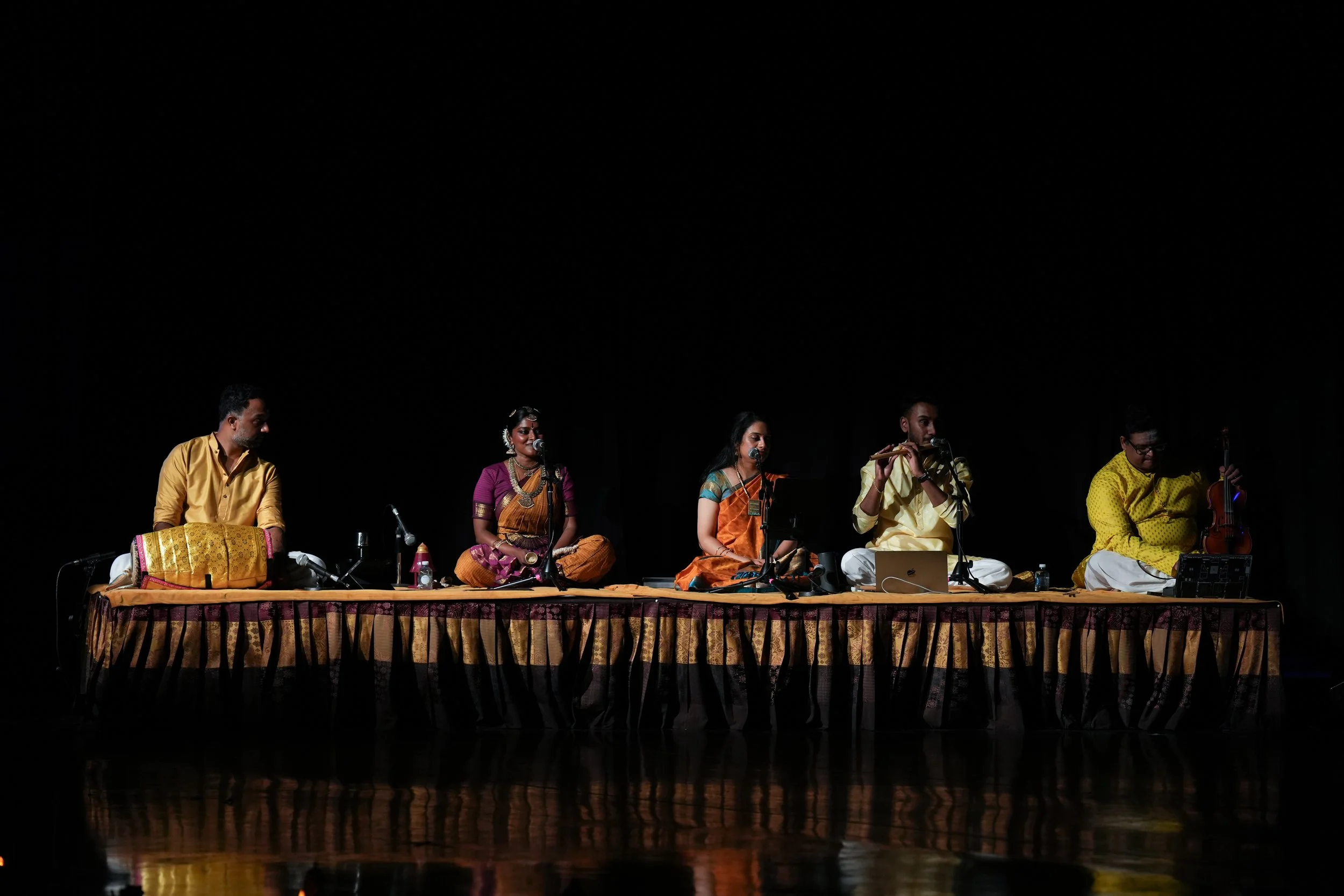
A hallmark of "Naatya Manjari" was the inclusion of a full live orchestra, which provided a rare and immersive experience for the sold-out audience. The production featured some of Australia’s most accomplished Carnatic musicians:
Vocalist: Dr Namrata Pulapaka, a graded artist of All India Radio and a key vocalist for many Sydney Arangetrums.
Mridangam: Janakan Suthanthiraraj, a veteran artist who has accompanied over 100 Arangetrums across Australia.
Violin: Kranthi Kiran Mudigonda, a leading Carnatic violinist and founder of the Geervani Academy of Performing Arts in Sydney.
Flute: Jathushan Jeyarasa, an experienced accompanist who has performed for numerous prestigious dance productions.
Repertoire and Performance Highlights
The performance followed a traditional "Margam" repertoire, opening with a Pushpanjali offering and an Alarippu, which serves as a rhythmic gateway. The program included two contrasting Jathiswarams, followed by a Keerthanam honoring Lord Nataraja and a Shabdam dedicated to Lord Murugan.
A major highlight of the recital was the Meenakshi Amman Pillai Tamil, performed as a Swarajathi. This piece narrated the birth, growth, and triumphs of the warrior-queen Meenakshi. The evening concluded with a Padam on Lord Muruga, transitioning into a rhythmic Thiruppugazh and ending with a high-energy Thillana.
Bharatanatyam with a Higher Purpose
While the event celebrated artistic mastery, its core mission was rooted in community upliftment. The programme was held in support of the Sivan Arul Foundation, a charity dedicated to meeting the educational and healthcare needs of children.
The response from the Sydney community was spectacular, resulting in a completely sold-out show. Through the incredible generosity of our attendees and supporters, the proceeds from the night will go directly towards creating brighter futures through learning and opportunity. It was a powerful reminder that when art and compassion meet, they build genuine hope.
Honouring the Past, Inspiring the Future
"Naatya Manjari" showcased the beauty, discipline, and storytelling power of the Indian classical dance form, bharatanatyam. It brought together generations of artists—from veteran gurus to a number of students—all united by a shared passion for their cultural identity.
This milestone is not just a celebration of the past 50 years, but a promise to continue inspiring future generations through the timeless rhythm of tradition.